The Seasonal Migration Guide To Botswana’s Native Animals
The Seasonal Migration Guide to Botswana’s Native Animals
One of the most common misunderstandings about Botswana is that its wildlife follows a single, predictable migration pattern. Whilst Botswana doesn’t have a single dramatic ‘Great Migration’ like East Africa, it offers an authentic migration experience through continuous movements across the vast protected ecosystems.
Simply put, animals move because the land changes, and well… the land changes every year! Botswana’s native animals respond and migrate to the authentic rhythms of rain, flood, grass growth, and survival.
Understanding these seasonal movements fundamentally shapes how you can experience a safari. What you see, how animals behave, and where encounters unfold are all influenced by the time of year. As such, this guide explores how Botswana’s native animals move across the seasons, why those movements happen, and what they mean for anyone exploring Botswana.
Understanding Botswana’s Seasons
Before considering animal behaviours, it’s important to also understand how the landscape changes based on the different seasons. We’ve written about the and wet/green season previously, but in short:
Dry Season (May to October)
- Wildlife concentrates around permanent water sources as surface water disappears.
- Animal movement becomes more predictable, increasing predator–prey encounters.
- Thinner vegetation improves visibility and tracking of behaviour.
- Encounters are defined by density and survival-driven movement.
Wet / Green Season (November to April)
- Rain spreads water and grazing, allowing animals to disperse widely.
- Births and migratory birds increase overall biodiversity.
- Denser vegetation reduces visibility but enriches the landscape.
- Encounters are shaped by abundance, movement, and change.
Botswana Native Animal Behaviours
As you might expect, Botswana’s unique wildlife does not respond to the seasons in a single, uniform way. Each species adapts and migrates the landscape differently to changes in rain, water, and grazing. This can alter where they move, how they behave, and when they are most visible.
These seasonal shifts shape the rhythm of the bush, influencing not only which animals are encountered, but the nature of those encounters themselves. Below we have highlighted some of Botswana’s key native wildlife and how they might respond and migrate within the different seasons.
Elephant Movement
Elephants are Botswana’s most iconic species and are one of the most prominent seasonal movers.
Their migration patterns are primarily driven by water availability and vegetation. The dry season sees large herds move towards permanent water sources such as Chobe River, Linyanti wetlands and Northern Okavango Delta.
During the wet season, they disperse into woodlands and forests, spreading grazing pressure across the grasslands. For the best safari sightings, boat-based viewing along the river offers intimate elephant encounters while game drives show these animals on a larger scale offering dramatic scenes.

Predator Movement
Predators are unique to other species as they migrate based on prey availability rather than directly from the seasons of the bush.
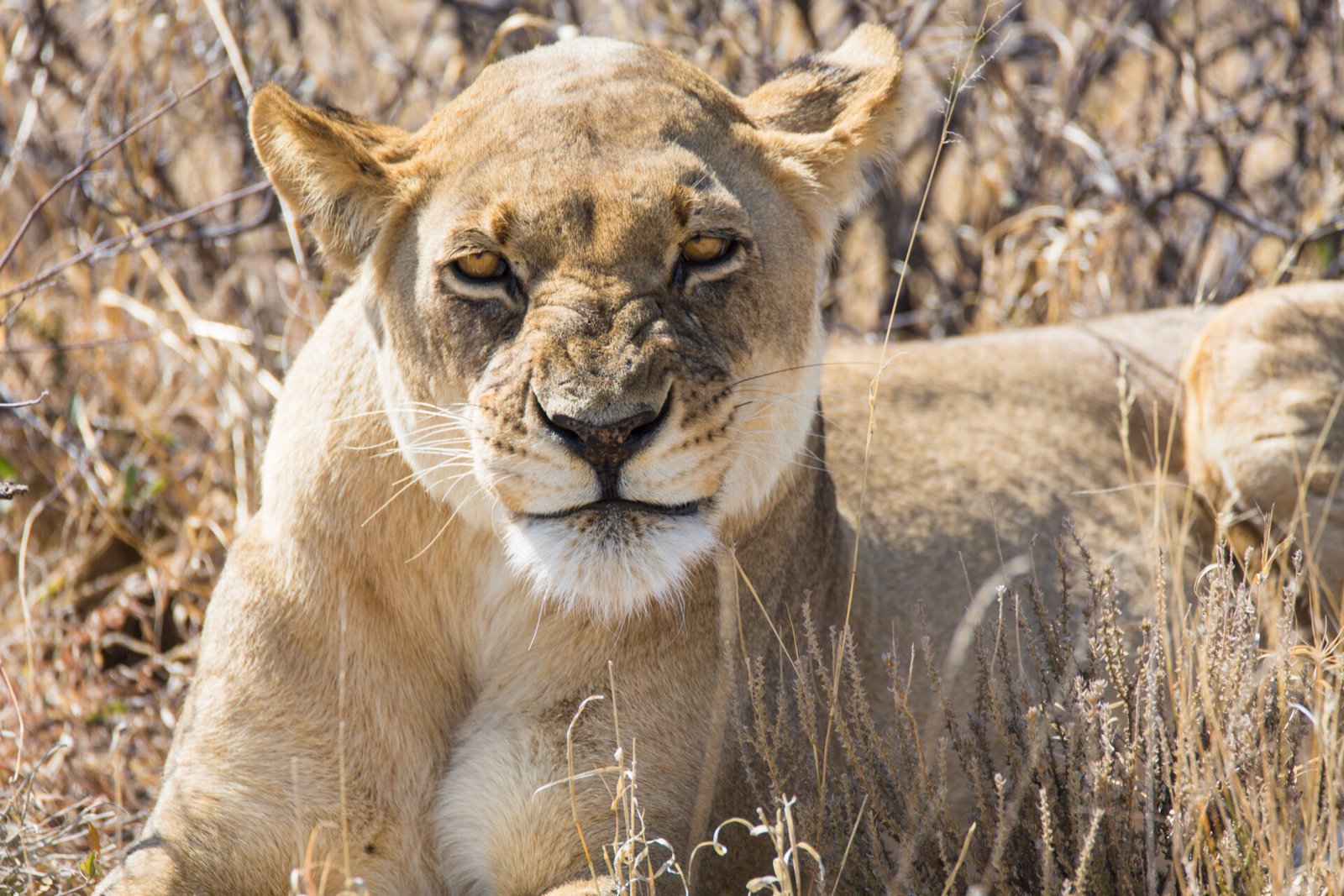
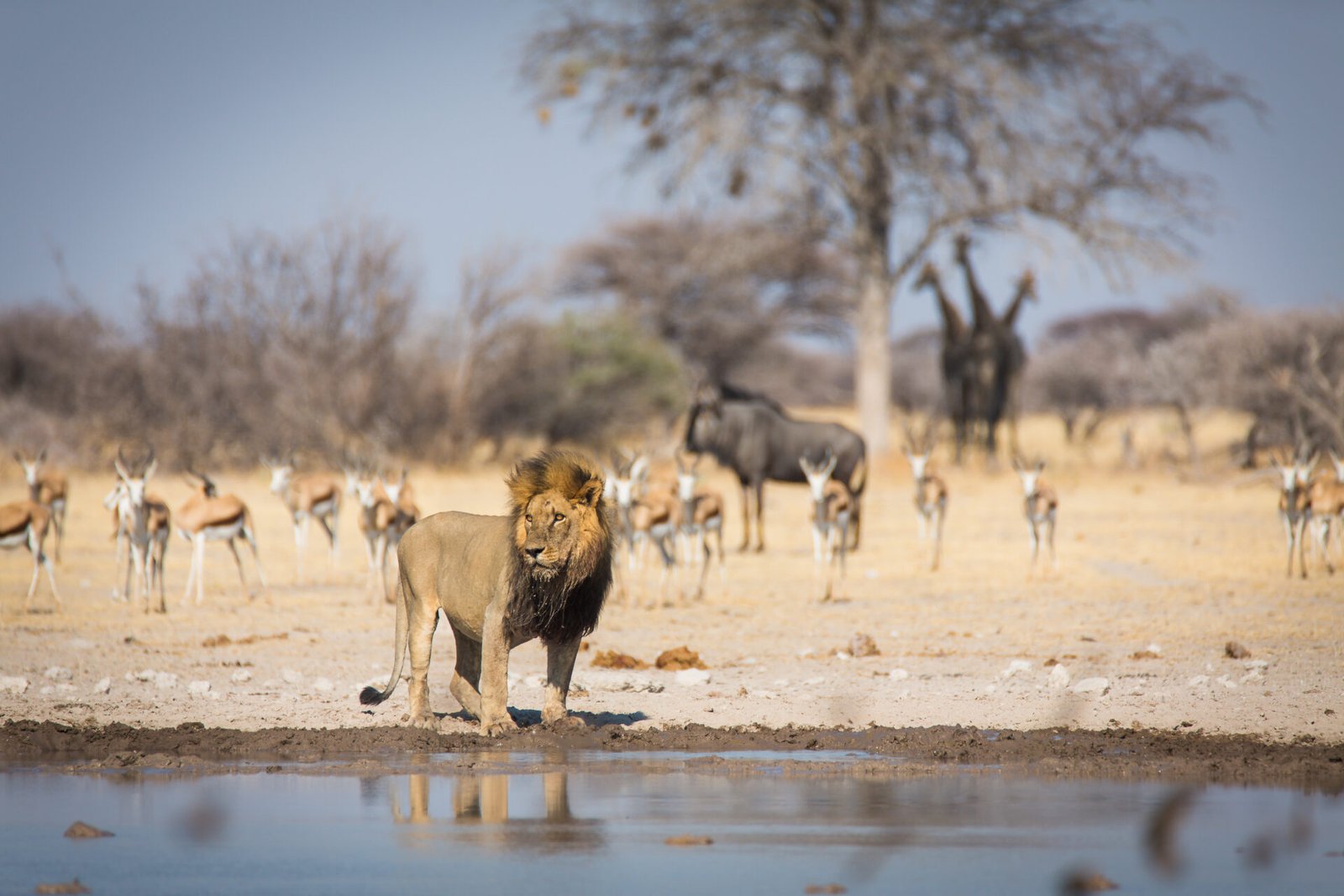
Lions for instance concentrate in areas where prey and water are reliable, particularly in Savuti, Mababe and Okavango floodplains. The reduced vegetation during the dry months makes lion activity easier to observe in a safari.
Leopards hold a presence year-round but are most visible in riverine habitats where prey density remains high. Seasonal changes affect visibility, with clearer sightings during the drier months when foliage thins.
Cheetahs prefer open terrain and are easier to spot during the wet season in regions such as Nxai Pan and Central Kalahari, these wide, unobstructed environments offer ideal viewing opportunities for travellers.

Zebra & Wildebeest Movement
Botswana is home to one of Africa’s largest zebra movements making it a spectacular wildlife sighting for travellers.
This migration is very unique in the safari environment as it is entirely dependent on rainfall, the wet season sees these mammals move into Makgadikgadi and Nxai Pan. The open landscapes allows for unobstructed views of predator interactions as these animals migrate, making unforgettable safari moments for travellers.
African Wild Dogs Movement
African wild dogs are one of Botswana’s greatest conservation success stories, with their movements changing significantly throughout the year. Denning seasons makes these animals more localised and predictable – as packs focus on smaller areas to raise pups – increasing sighting chances on a safari
Outside of this time, wild dogs range widely and often hunt more successfully during the wet season, when prey dispersal and reduced visibility work to their advantage.
Denning seasons makes these animals more localised and predictable, increasing sighting chances on a safari. However, outside of this season they roam across large territories in search of prey, where sightings are less likely.

Antelope & Plains Game Movement
Antelopes are the main source of Botswana’s ecosystem with their movements determining where predators go and how landscapes transpire.
These animals migrate between floodplains and drylands depending on water and grazing conditions. Species such as impala and tsessebe move between woodlands and open grasslands as fresh grazing becomes available during the green season.
In drier regions like Makgadikgadi, desert-adapted antelope track rainfall rather than permanent water. This rain-driven movement underpins Botswana’s predator dynamics and shows why understanding plains game behaviour is key to understanding safari experiences.
Bird Migration
For those visiting, Bird migration is one of Botswana’s most underrated seasonal highlights. The wetlands fill, wildlife emerge and breeding activity peaks and as a result bird activity intensifies. For travellers interested in photography, the wet season also offers rich colours, dramatic skies and dynamic behaviour that is less visible during the drier months.
Key areas for bird migration sightings include Okavango Delta, Chobe River and Makgadikgadi wetlands.
What Seasonal Animal Movement Means for Safari Experiences?
Seasonal animal movement in Botswana is a direct reflection of how carefully the land has been protected. Long-standing conservation policies, low visitor numbers, and respected wildlife corridors allow animals to move as they always have, responding naturally to rain, grazing, and water. Because the landscape is not overdeveloped or fragmented, these seasonal shifts remain intact, supporting healthy ecosystems and genuinely wild behaviour.
For those travelling here, understanding this makes all the difference. A safari becomes less about chasing sightings and more about reading the land – noticing how animals move, where life concentrates, and how the bush changes from one season to the next. That awareness deepens the experience, turning each encounter into part of a larger story shaped by the seasons rather than a single moment in time.
If you are looking to book a Botswana Safari, contact us through our booking enquiry form and start your adventure today!
Frequently Asked Questions
How Safari Style Matches Seasonal Movement
Different safari styles suit different seasonal patterns so it is important to note what safaris would be most beneficial for the wildlife encounters you want to experience. Mobile safaris are ideal for travellers wanting to follow rain-driven movement in remote regions, whereas semi-mobile safaris work best for tracking wildlife across connected ecosystems. Lodge-based safaris are the perfect choice for year-round wildlife sightings as they are located in areas with permanent water and high animal density.
When Is The “Best” Time to Visit Botswana?
The best time to visit Botswana is dependent on what you value most, whether that’s high volumes of predictable and guaranteed sightings or movement, births and an atmosphere. The dry season offers the perfect landscape for witnessing wildlife encounters due to the decrease in vegetation, whereas the wet season offers luscious grasslands and intimate animal viewings. Botswana offers rewarding safari experiences year-round when itineraries are planned thoughtfully.