Botswana
Nxai Pan National Park
Nxai Pan National Park is a striking landscape of vast salt pans, open grasslands, and iconic baobab trees. Known for dramatic seasonal migrations and wide horizons, it offers a unique and captivating safari experience.
Explore Botswana
THE PANS
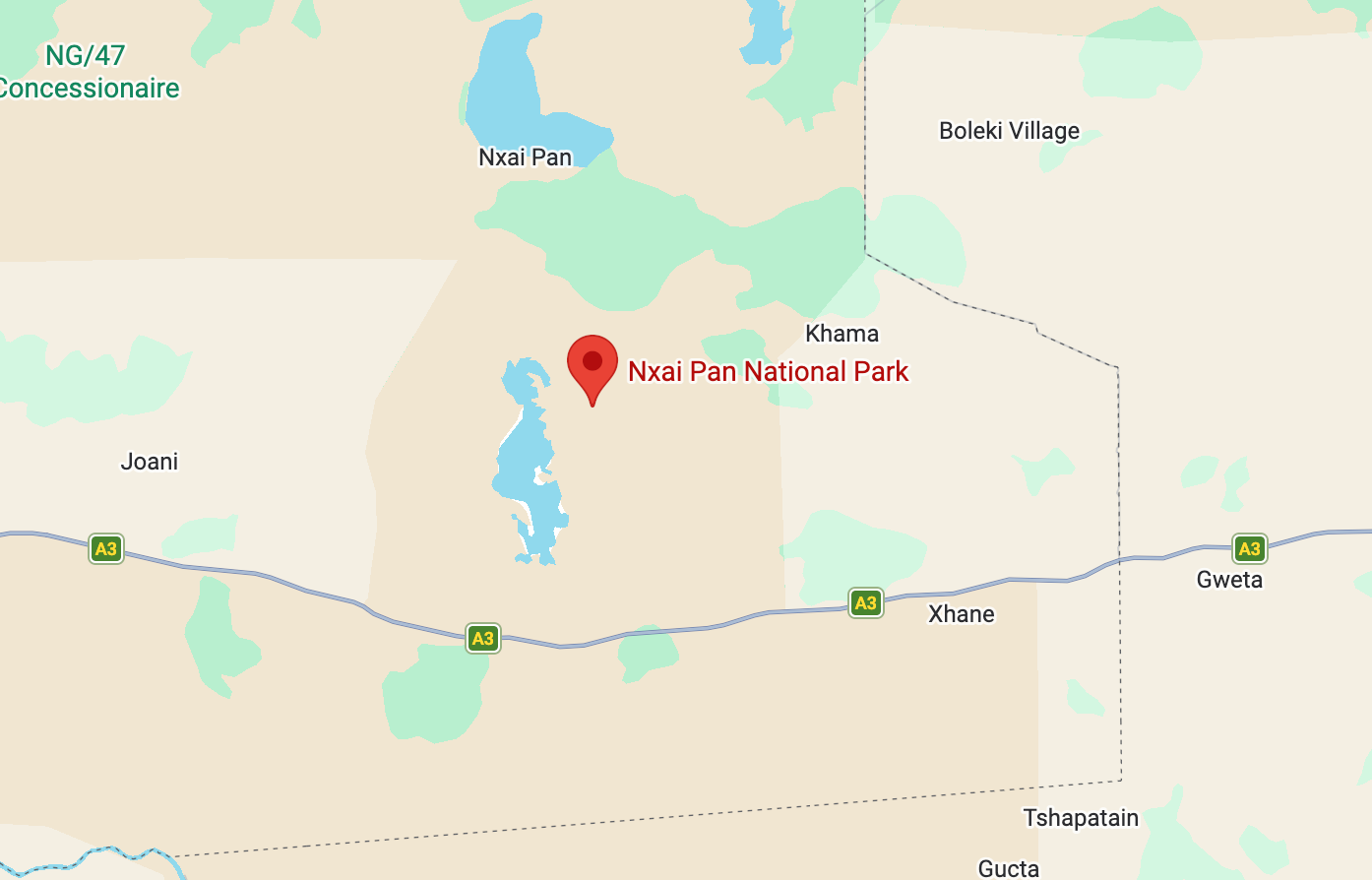
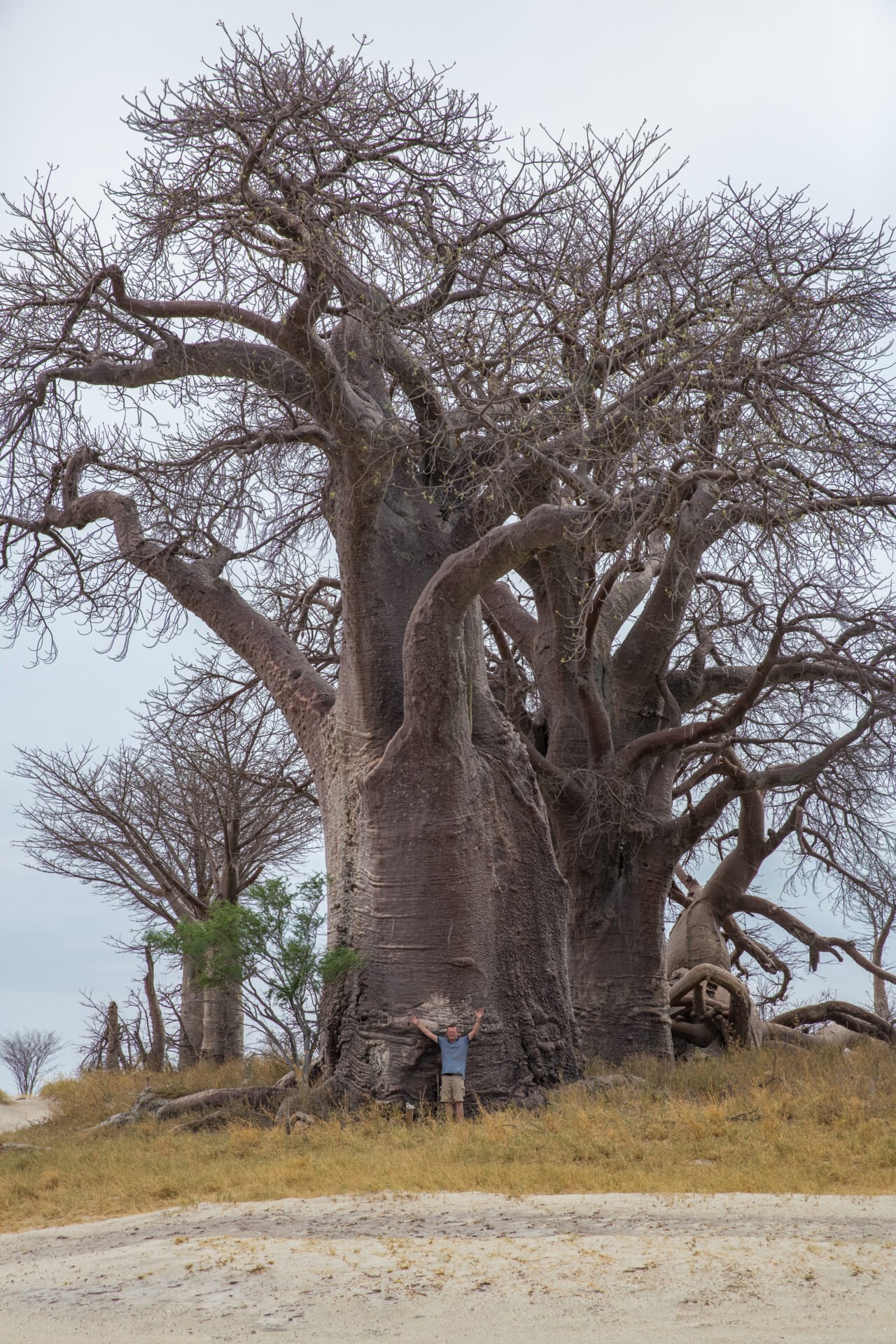
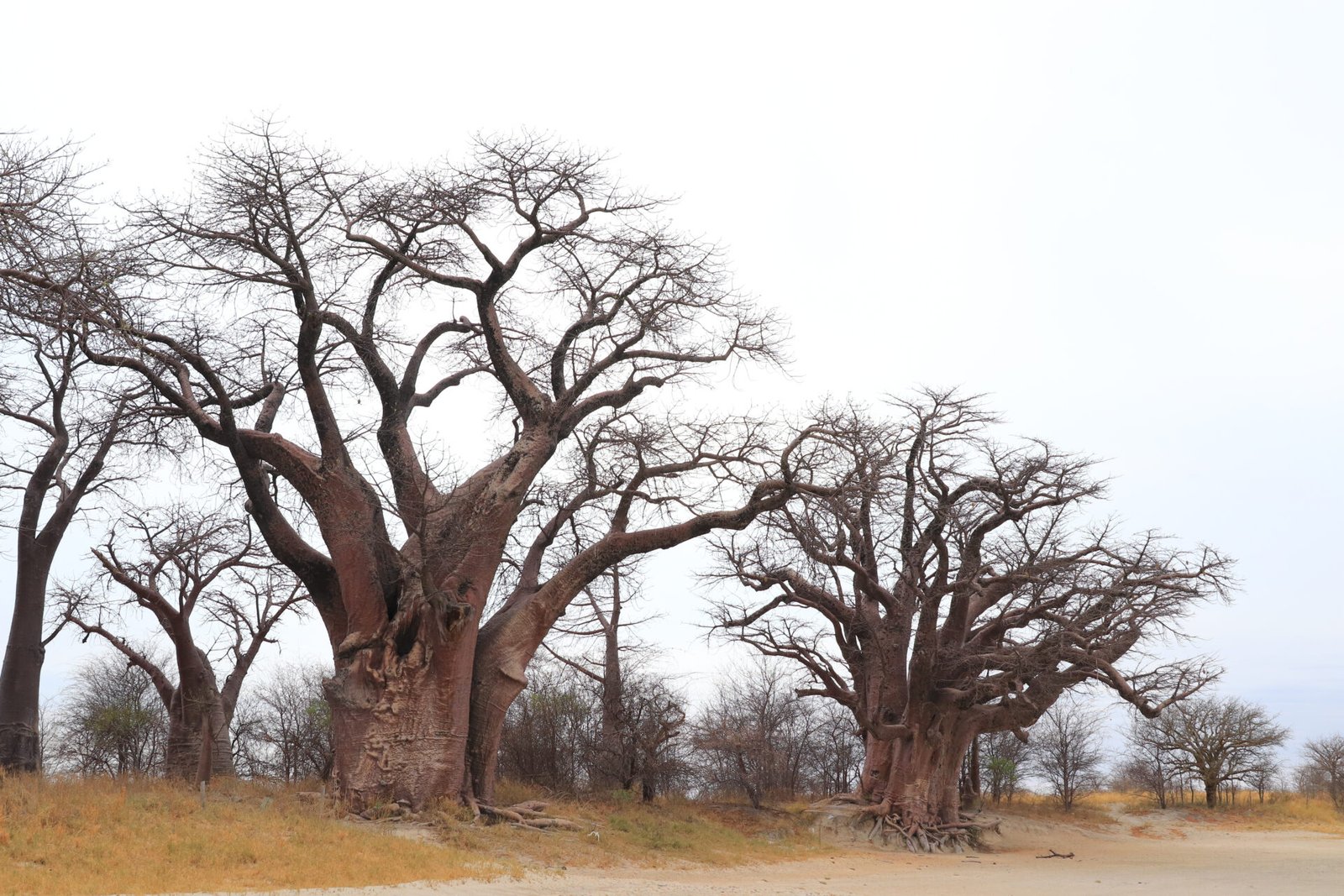
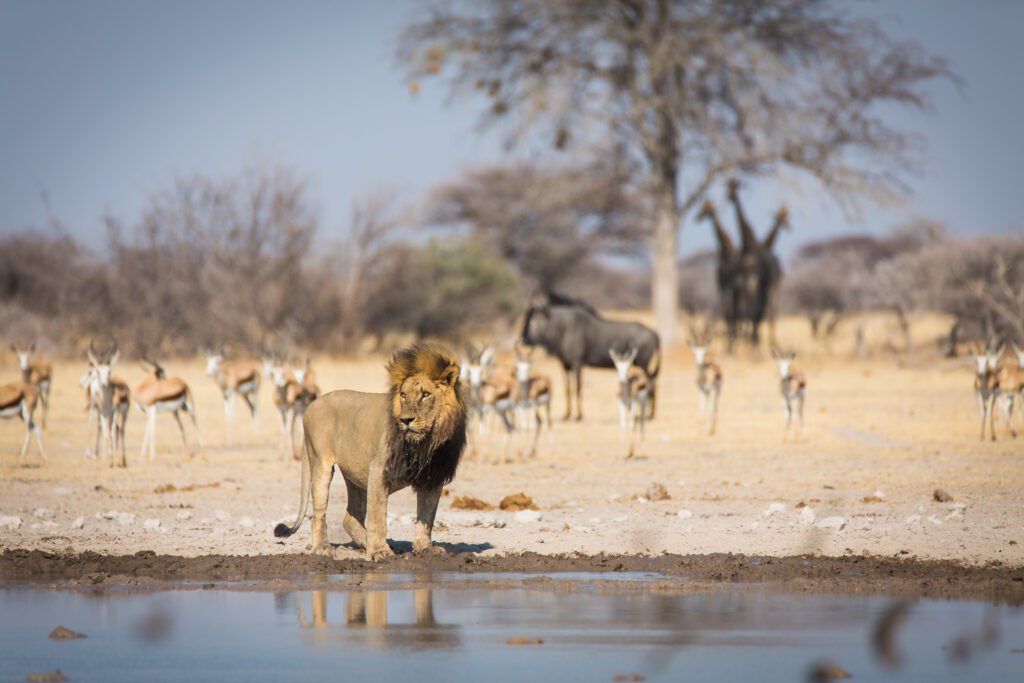
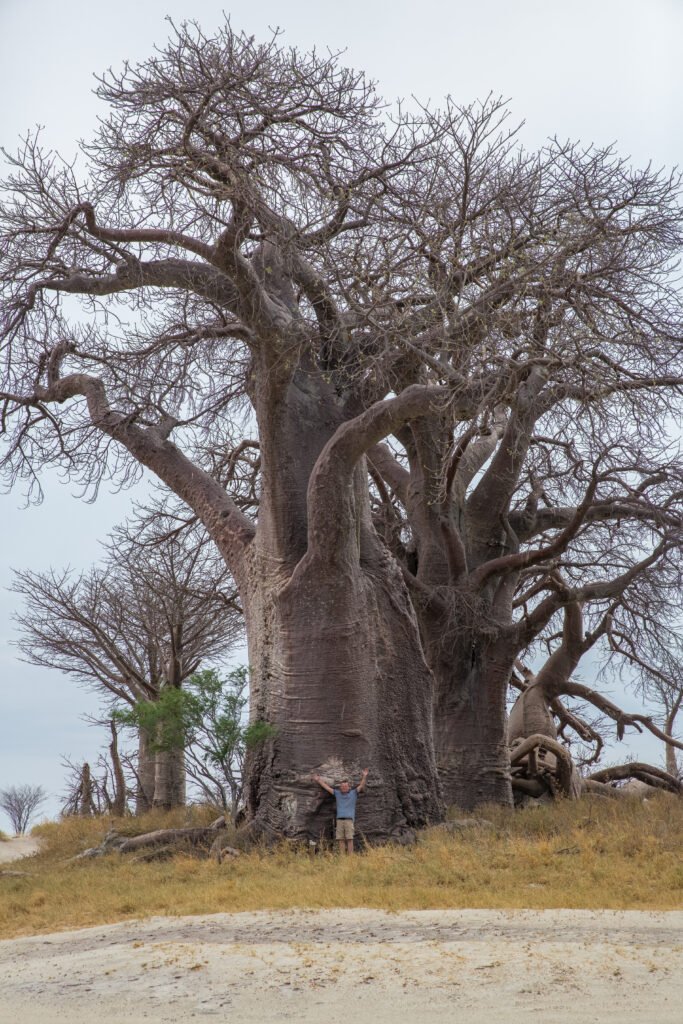
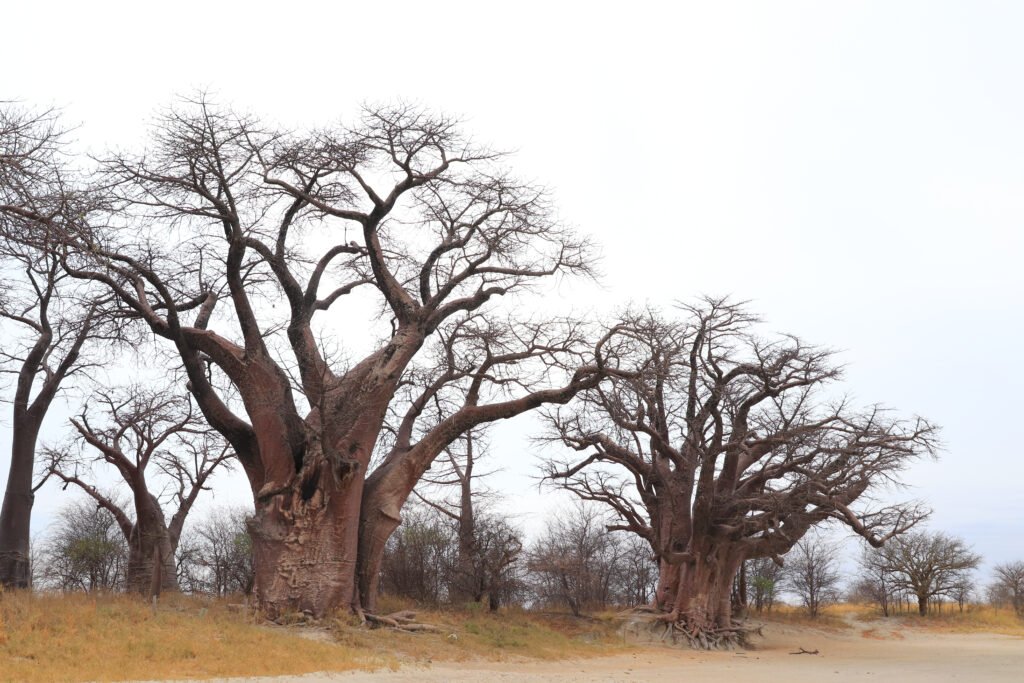
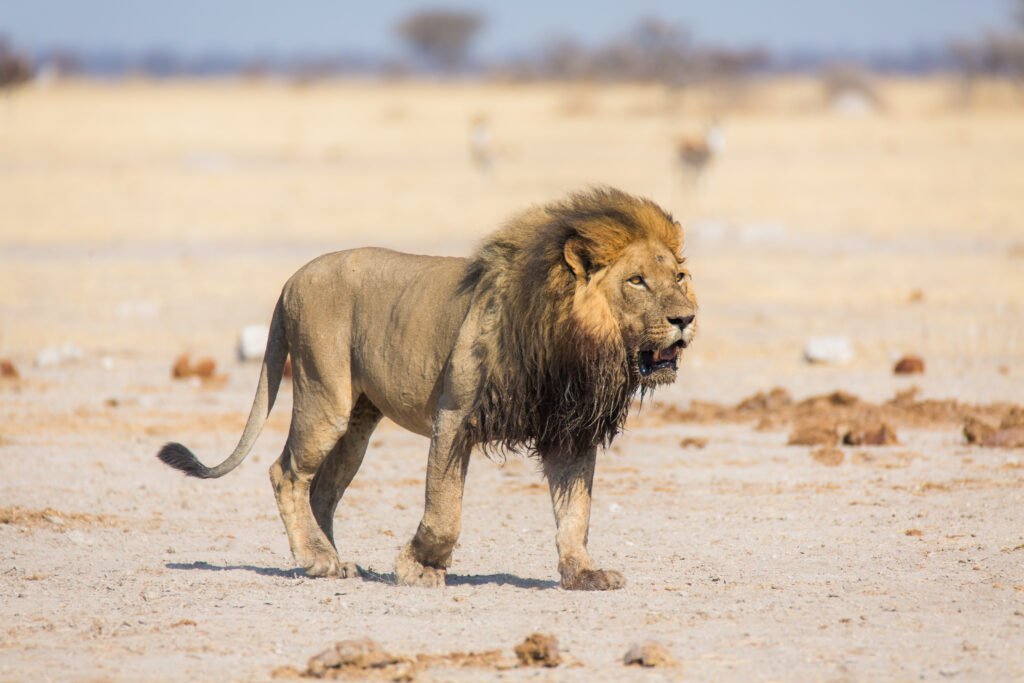
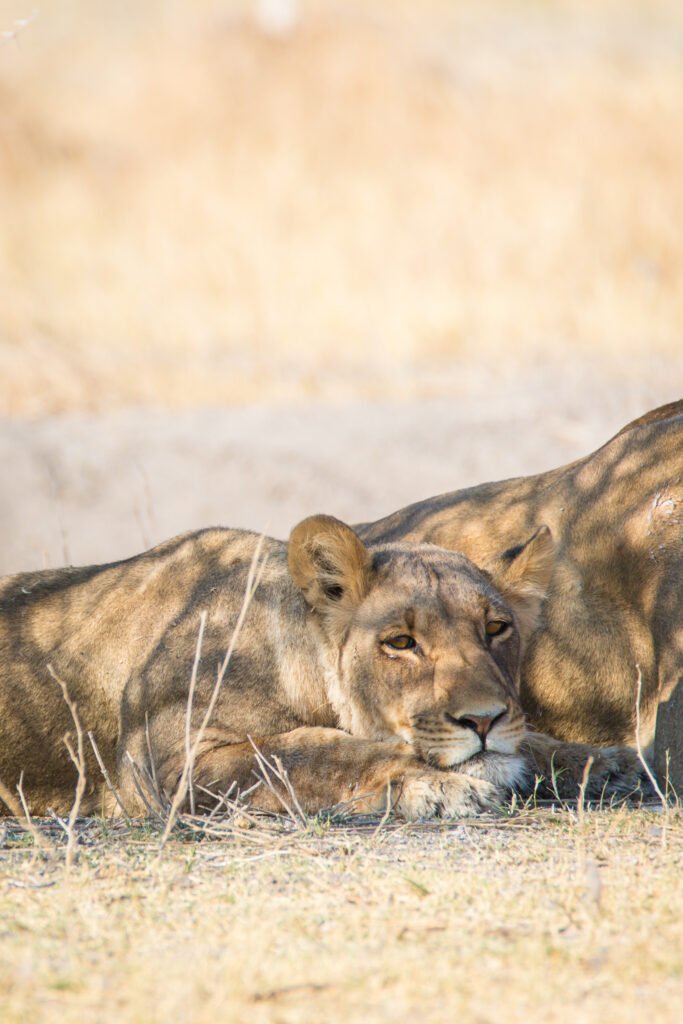
Nxai Pan National Park, situated in North Eastern Botswana, is a captivating wildlife destination known for its unique landscape, diverse wildlife, and the annual migration of zebras. This park offers a sweeping 2,578 sq. km. of vast plains adorned with ancient baobab trees. Famous for the iconic clusters of “Baines’ Baobabs”, the park is a haven for wildlife enthusiasts. During the rainy season, the plains teem with zebras, elephants, giraffes, lions, and cheetahs, making it an unforgettable safari destination. Experience the unique interplay of nature and history in this mesmerizing landscape.
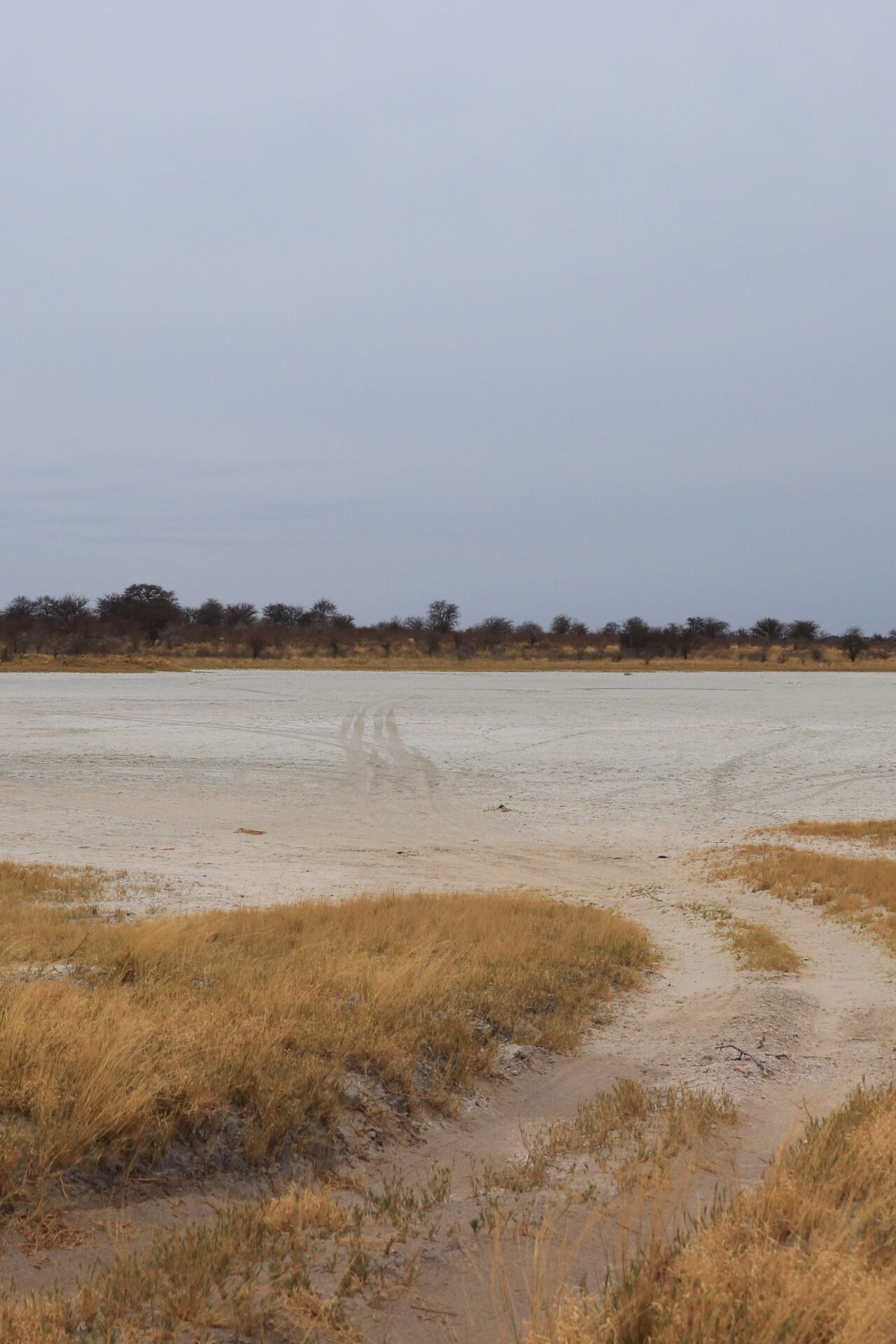
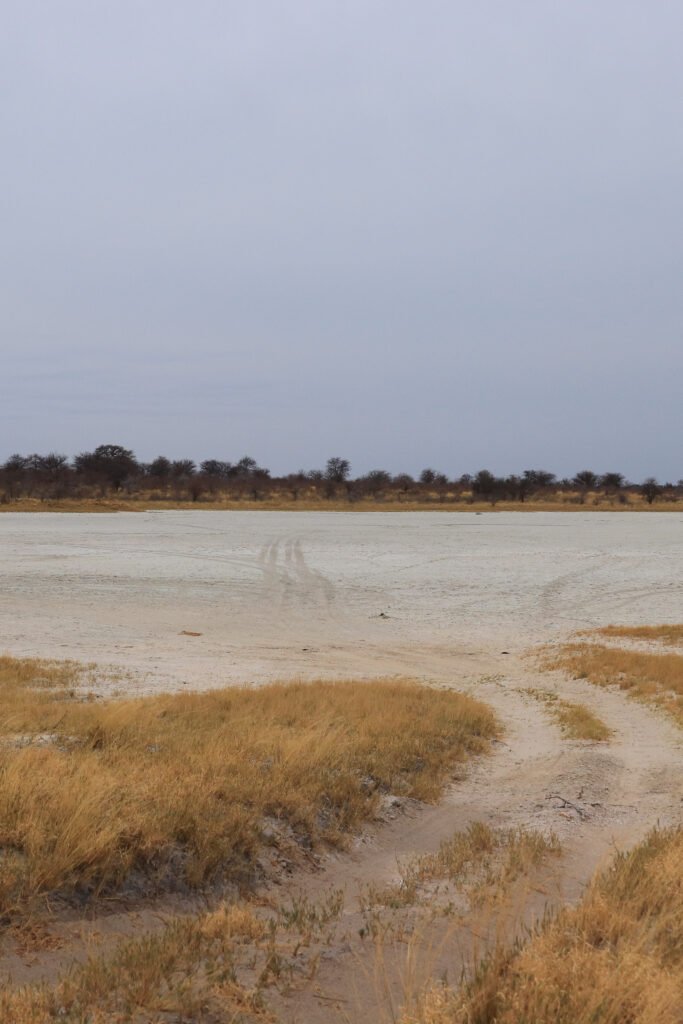
Nxai Pan National Park lies northeast of Maun and forms part of the greater Makgadikgadi ecosystem. Characterised by expansive salt pans, fossil riverbeds, and open savannah, the park is famous for its iconic Baines’ Baobabs, ancient trees standing prominently against wide, endless horizons. Its remote and open terrain creates a sense of isolation and scale, offering visitors a distinctive desert safari environment unlike the Delta’s waterways.
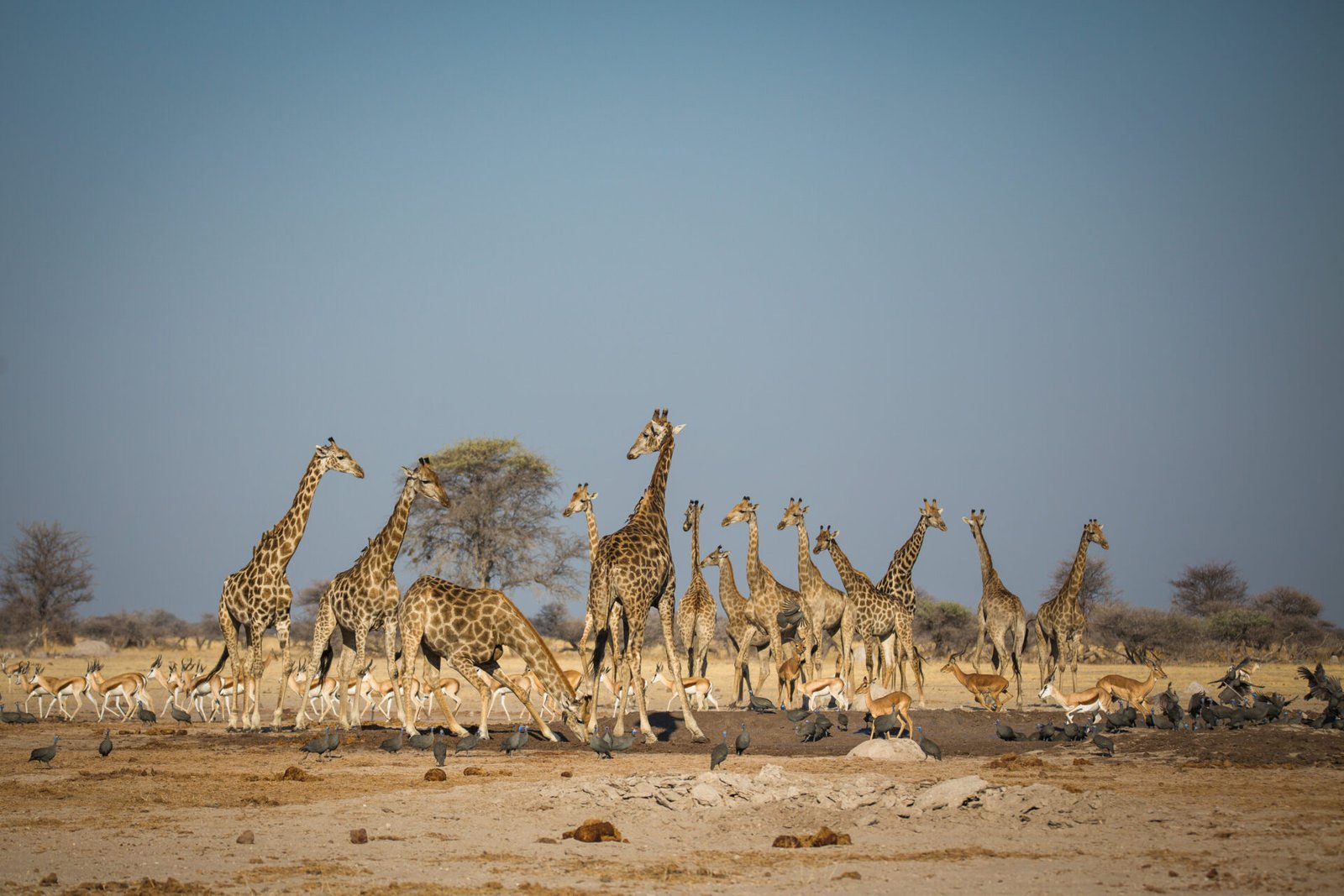
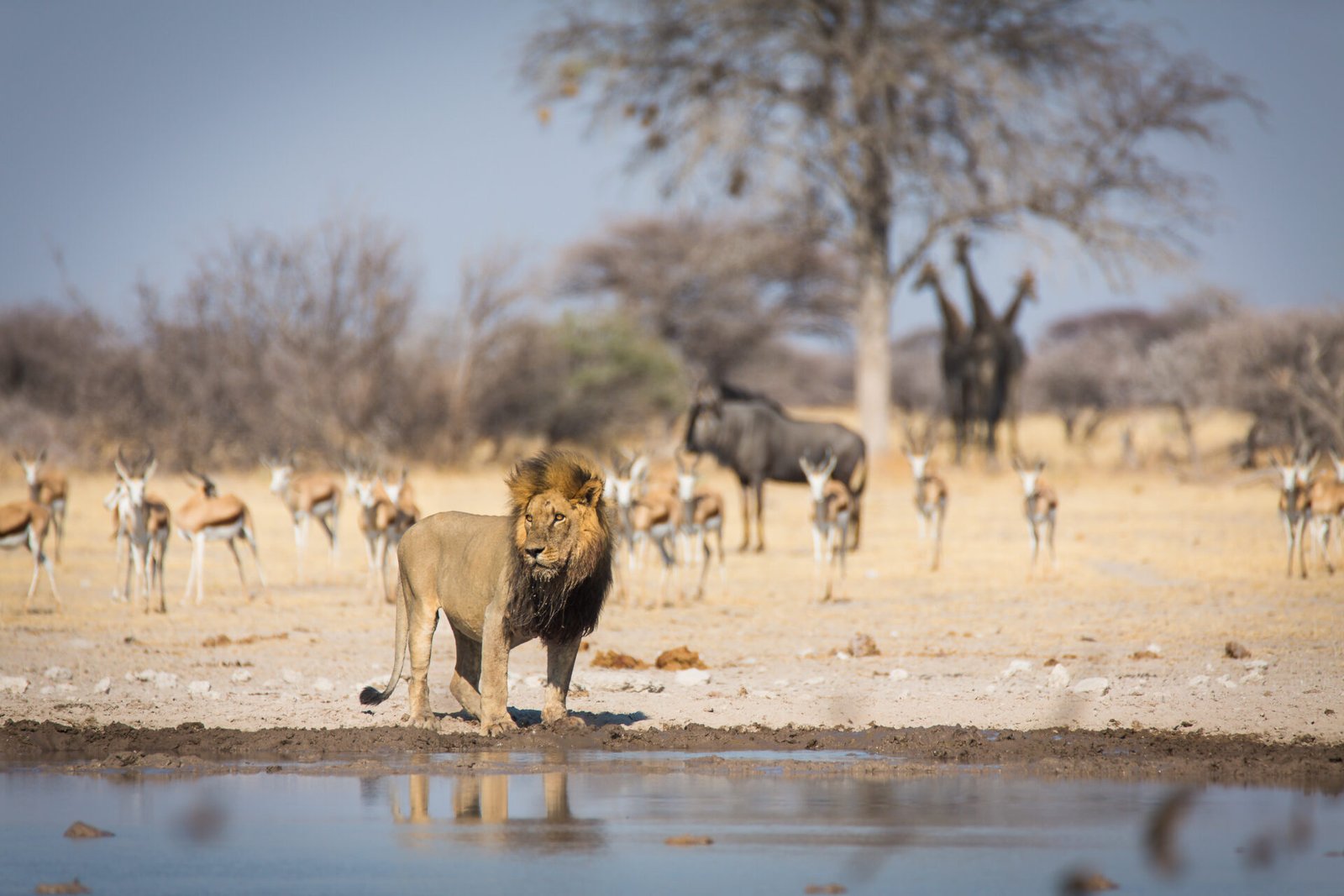
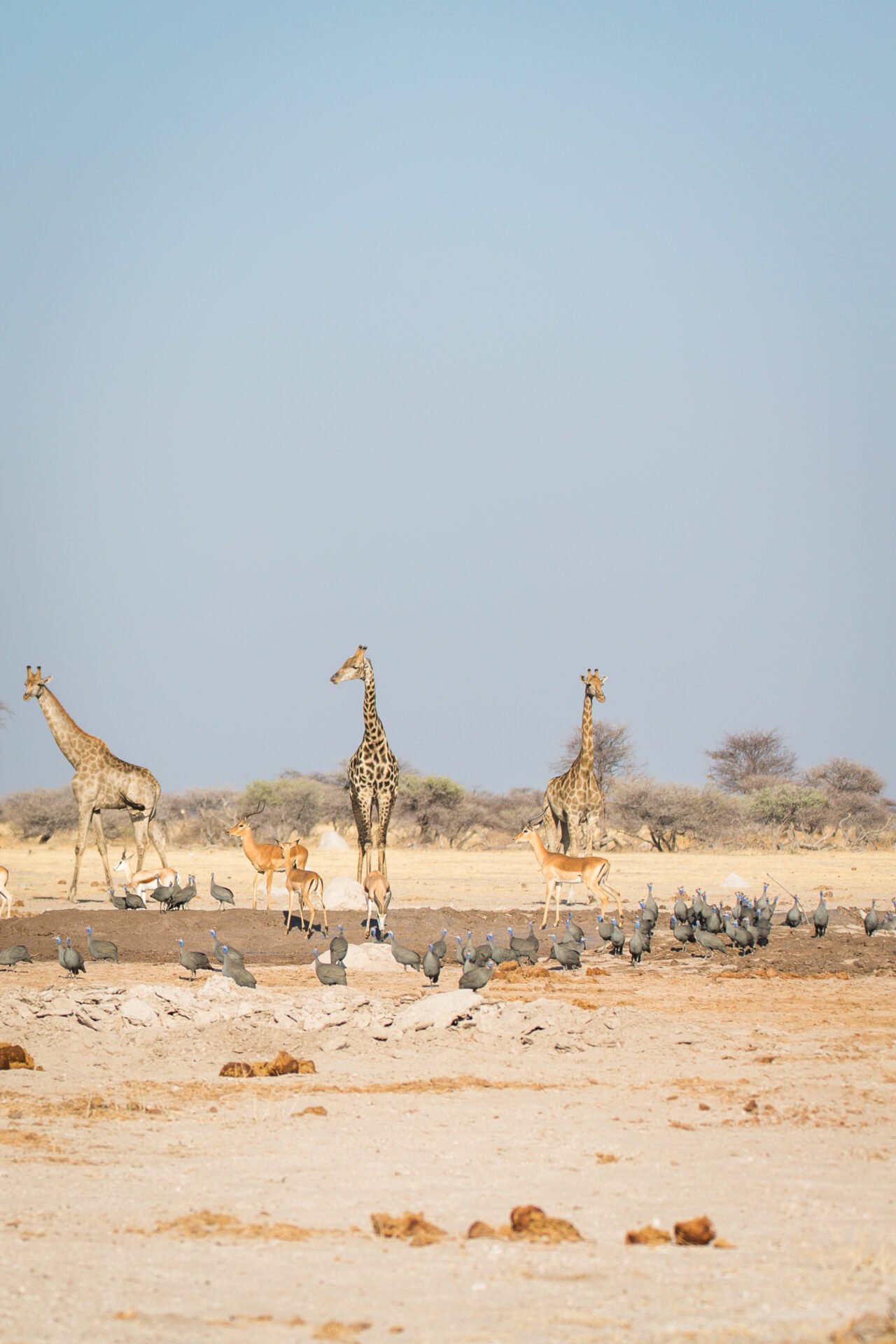
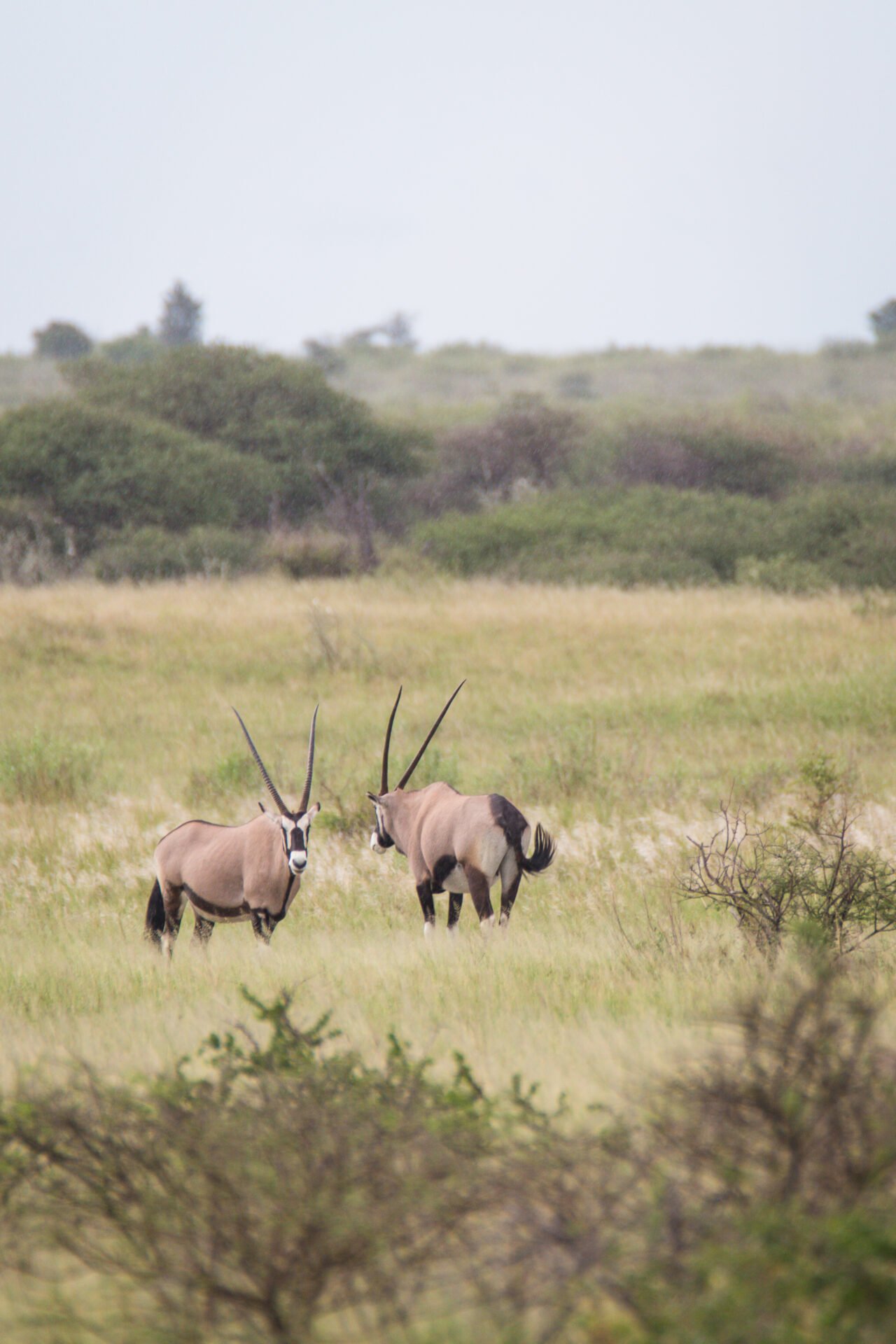
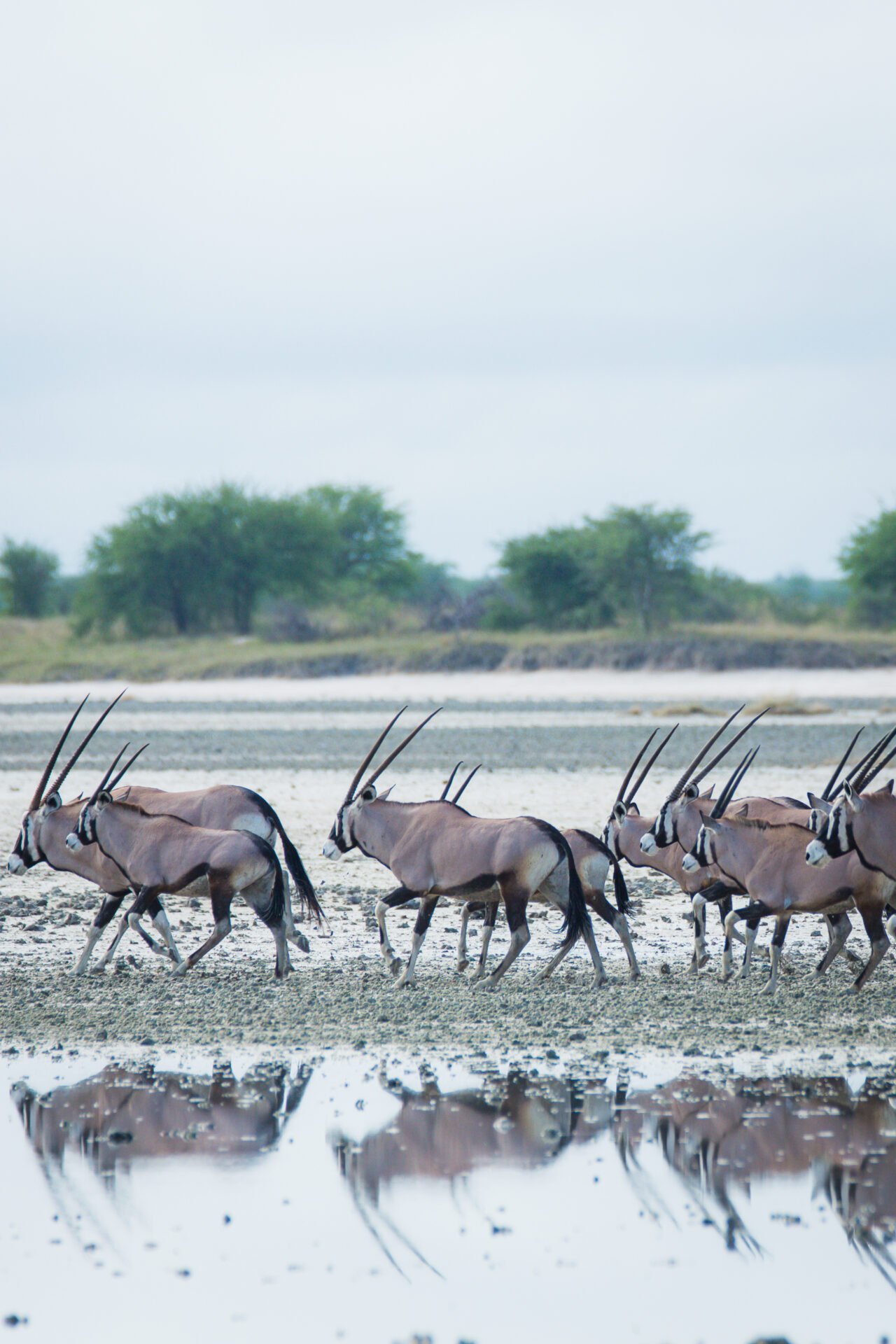
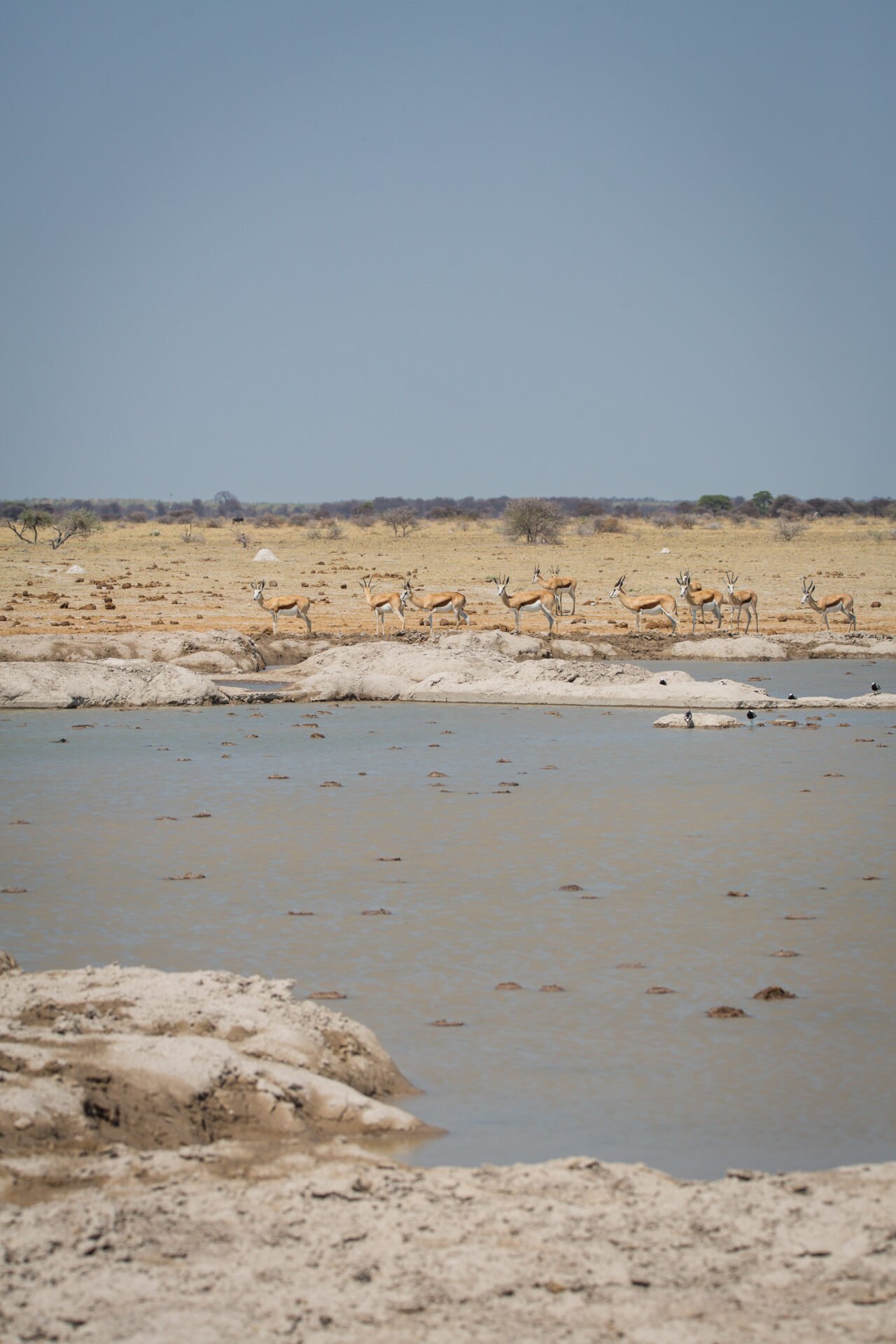
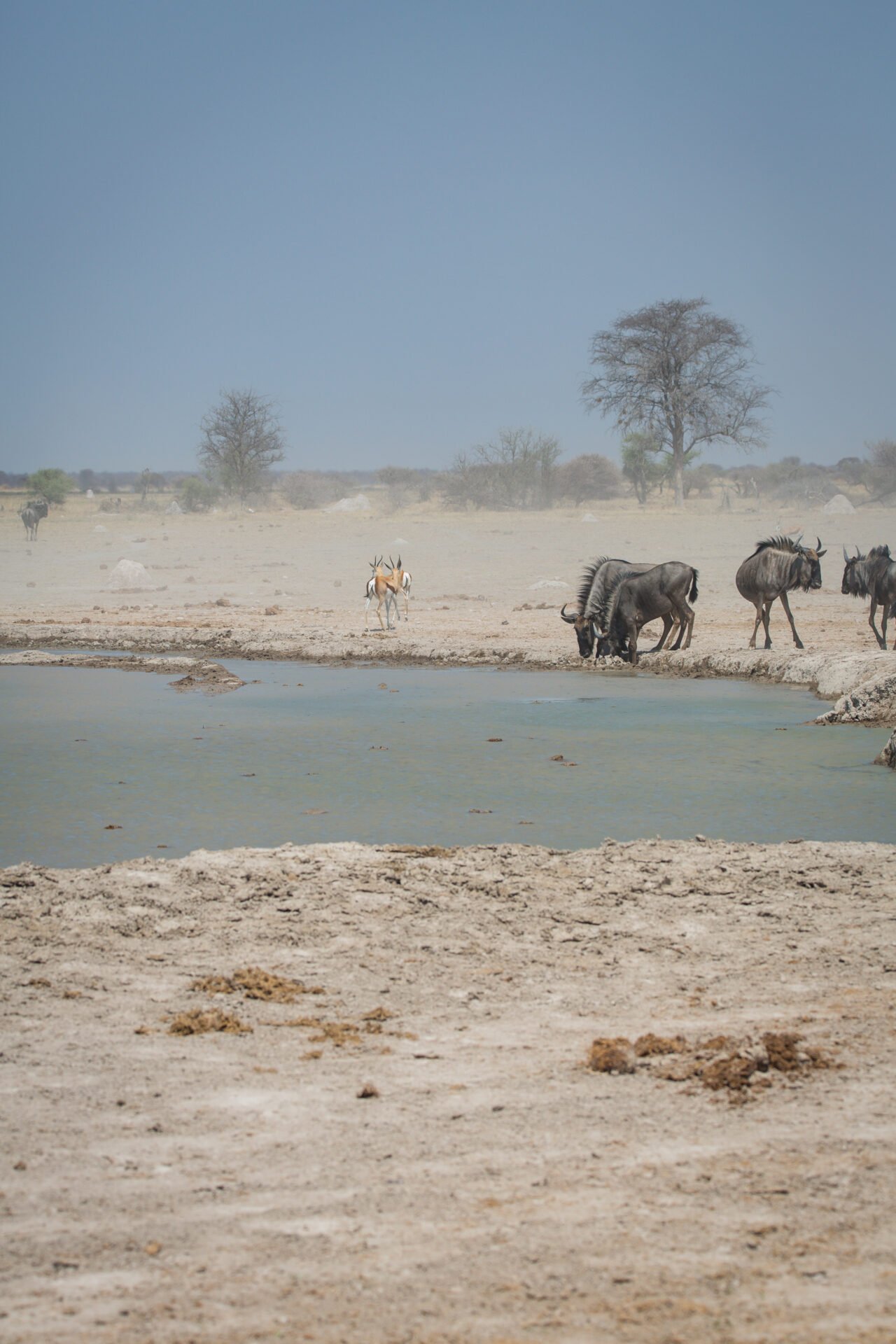
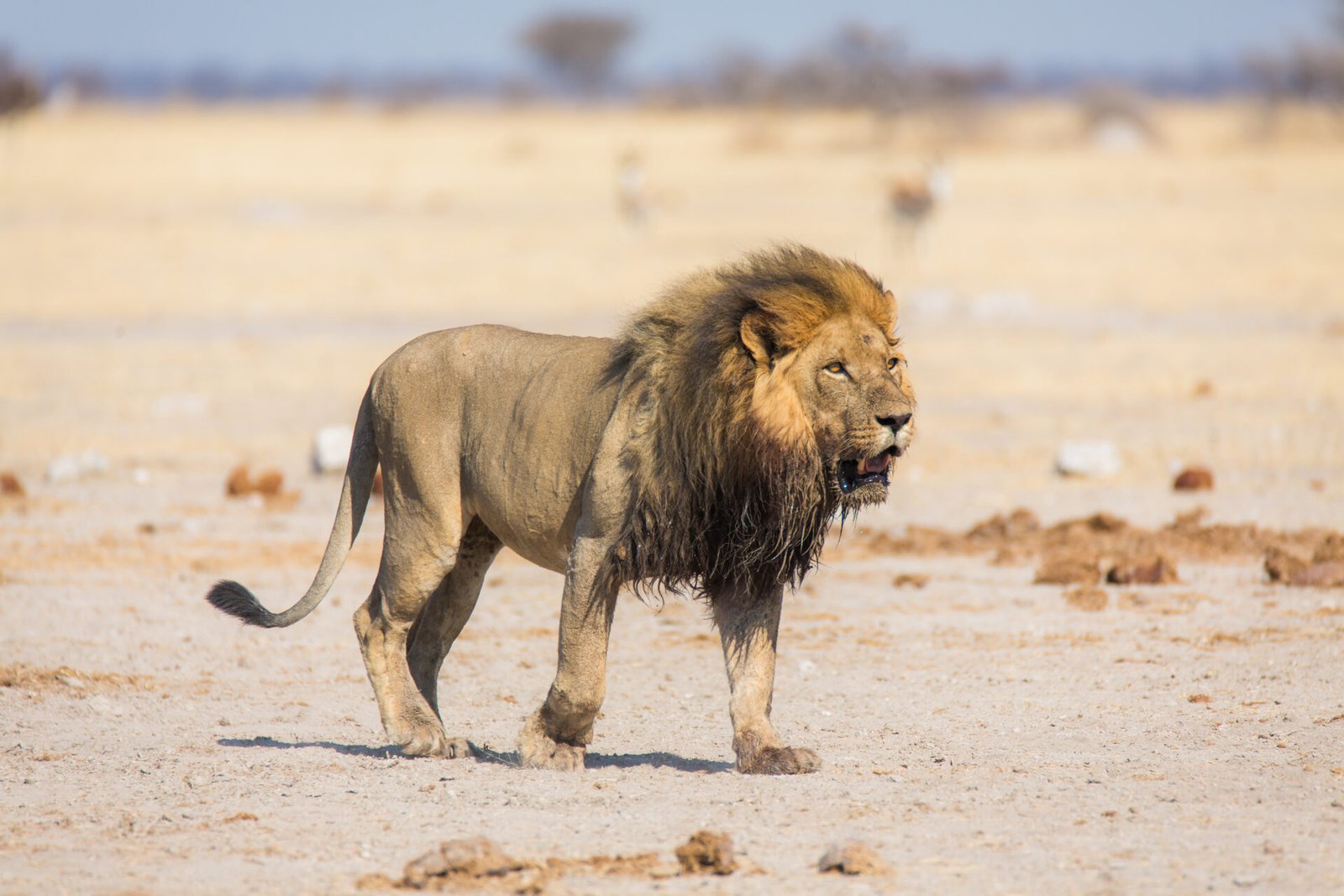
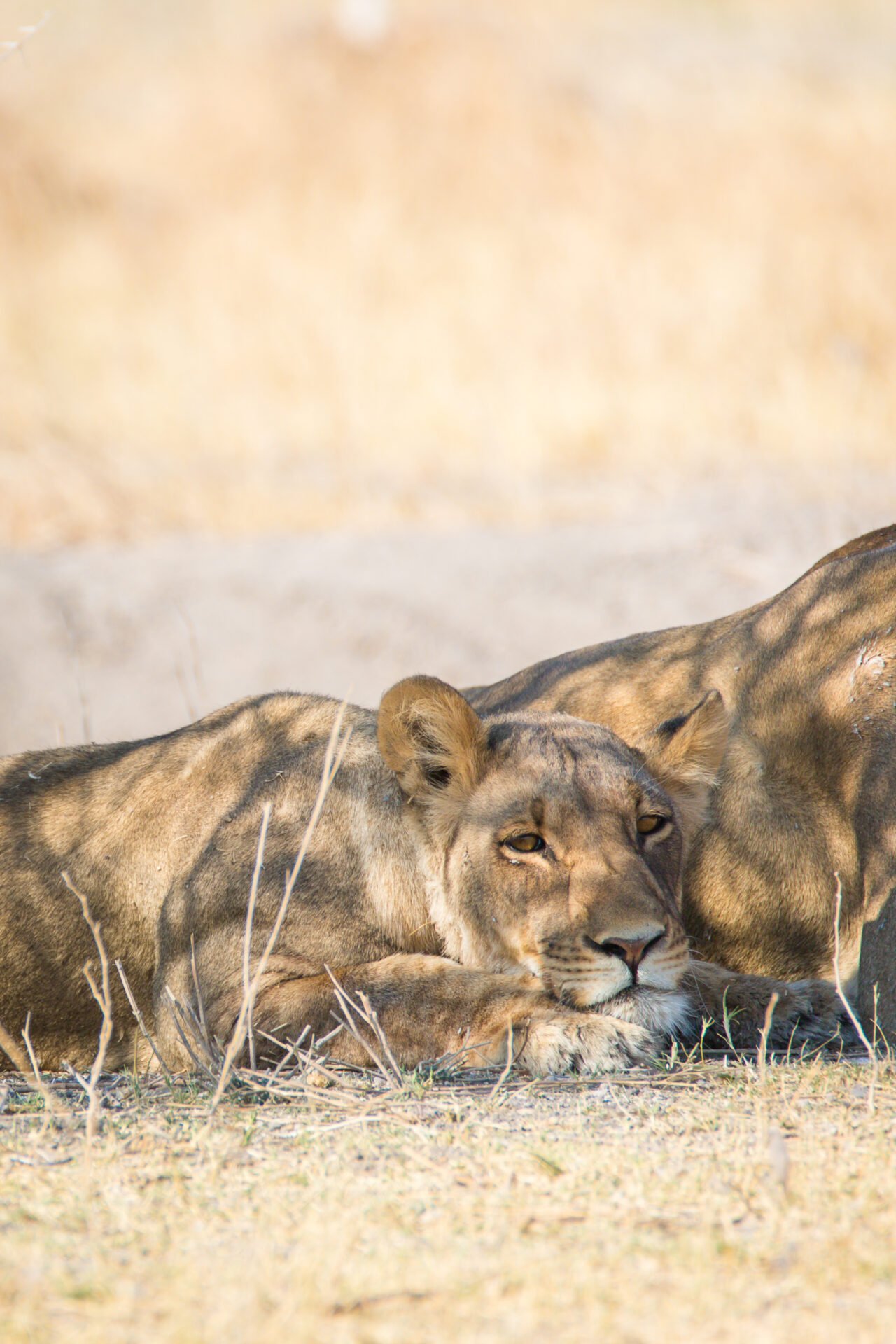
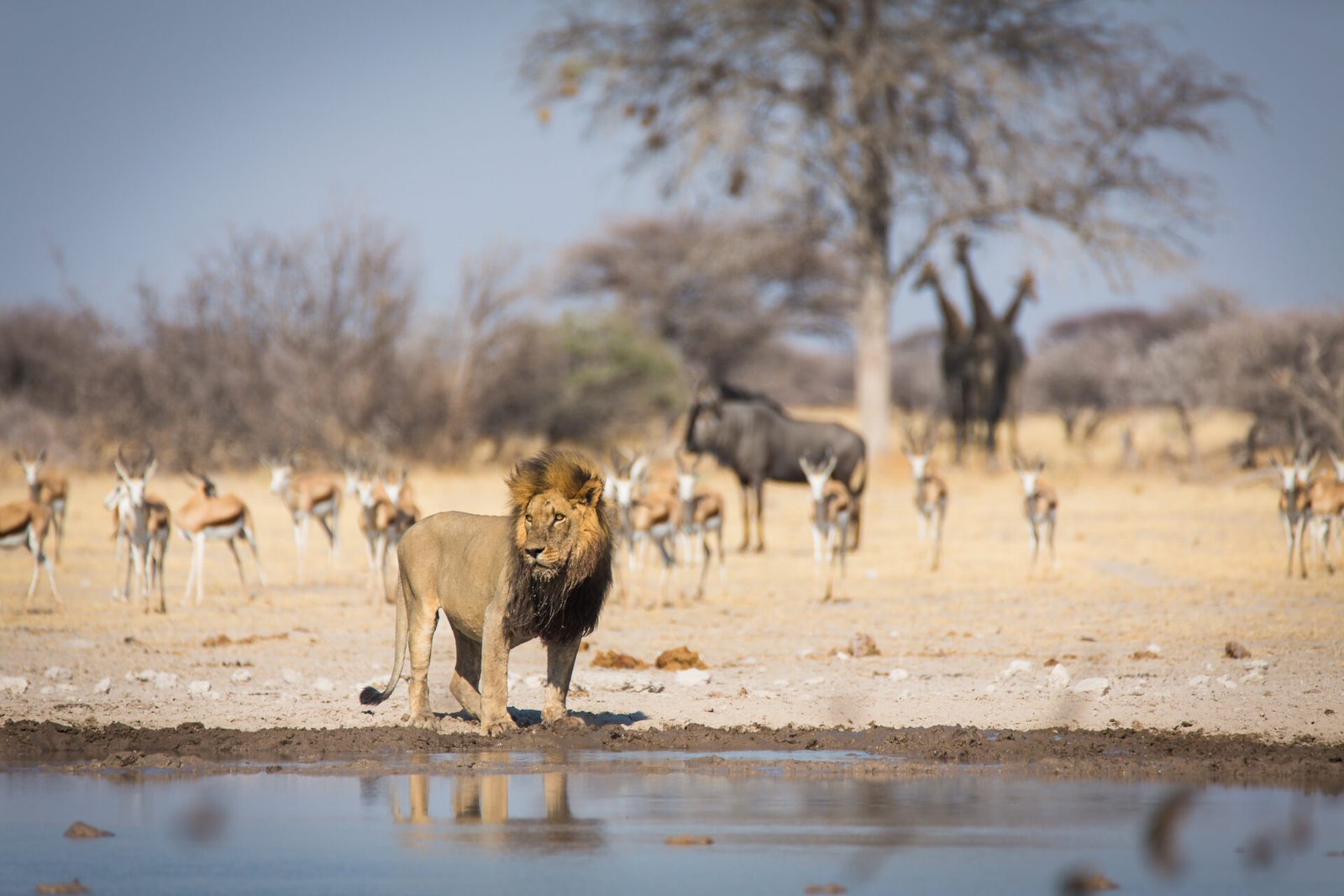
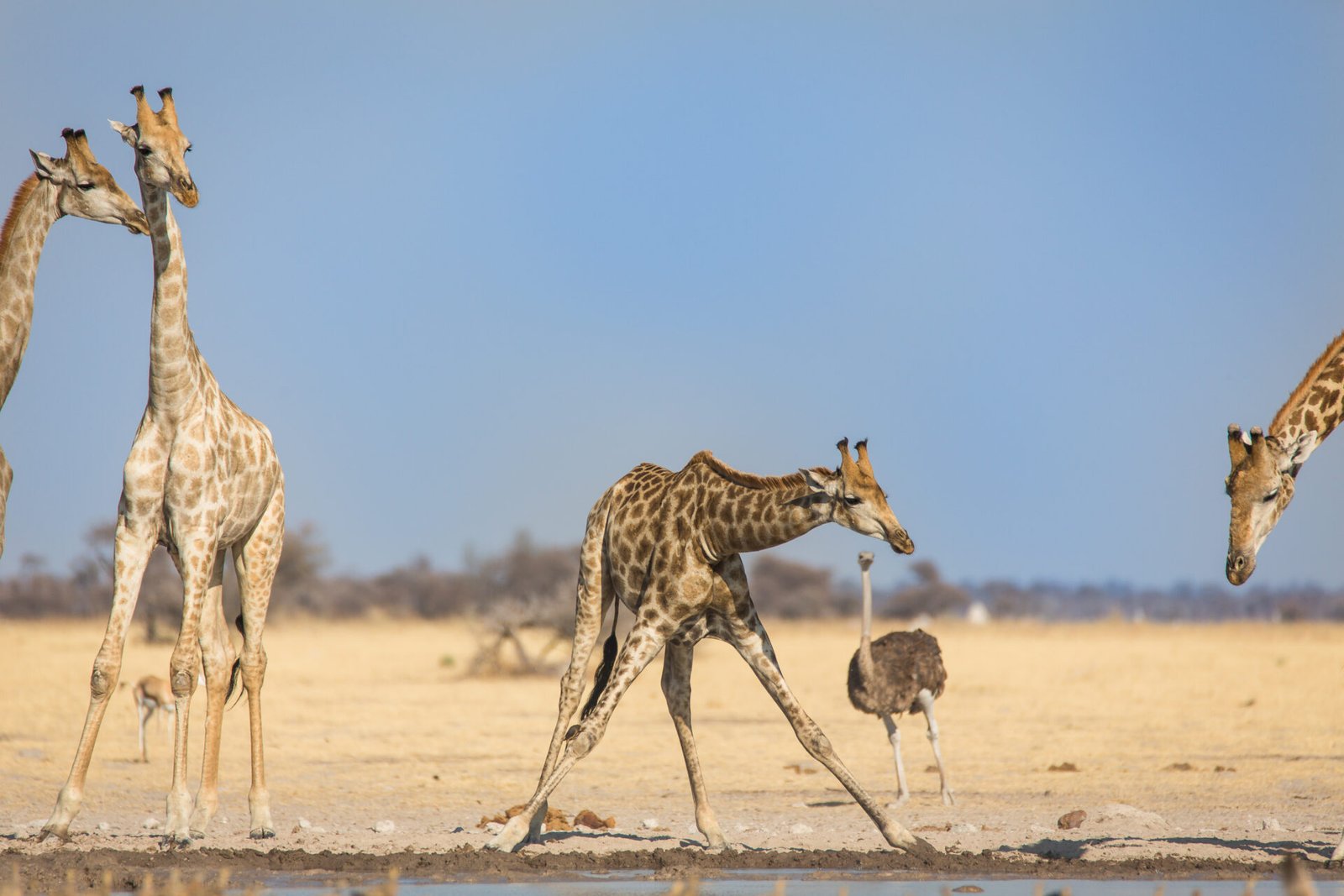
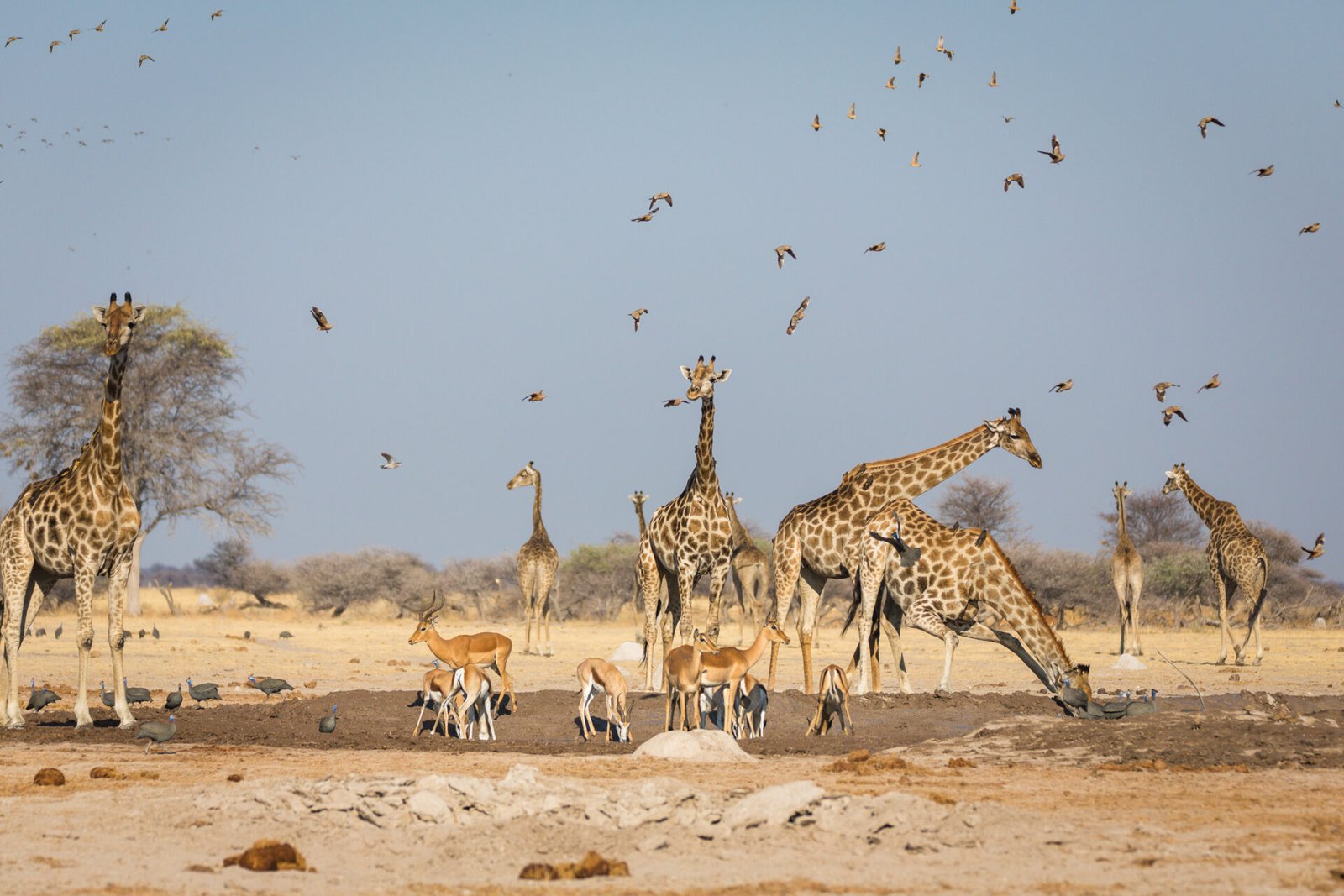
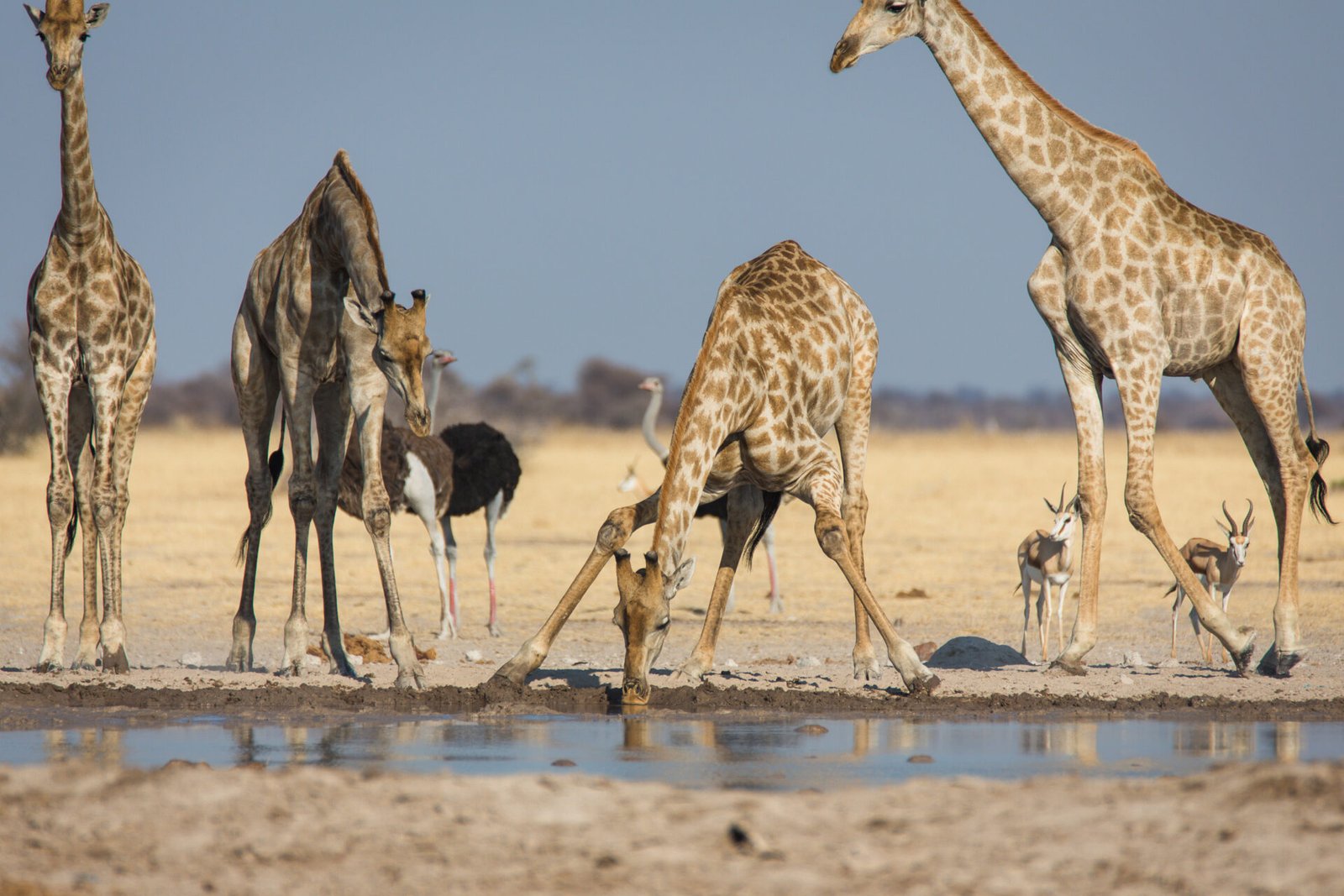
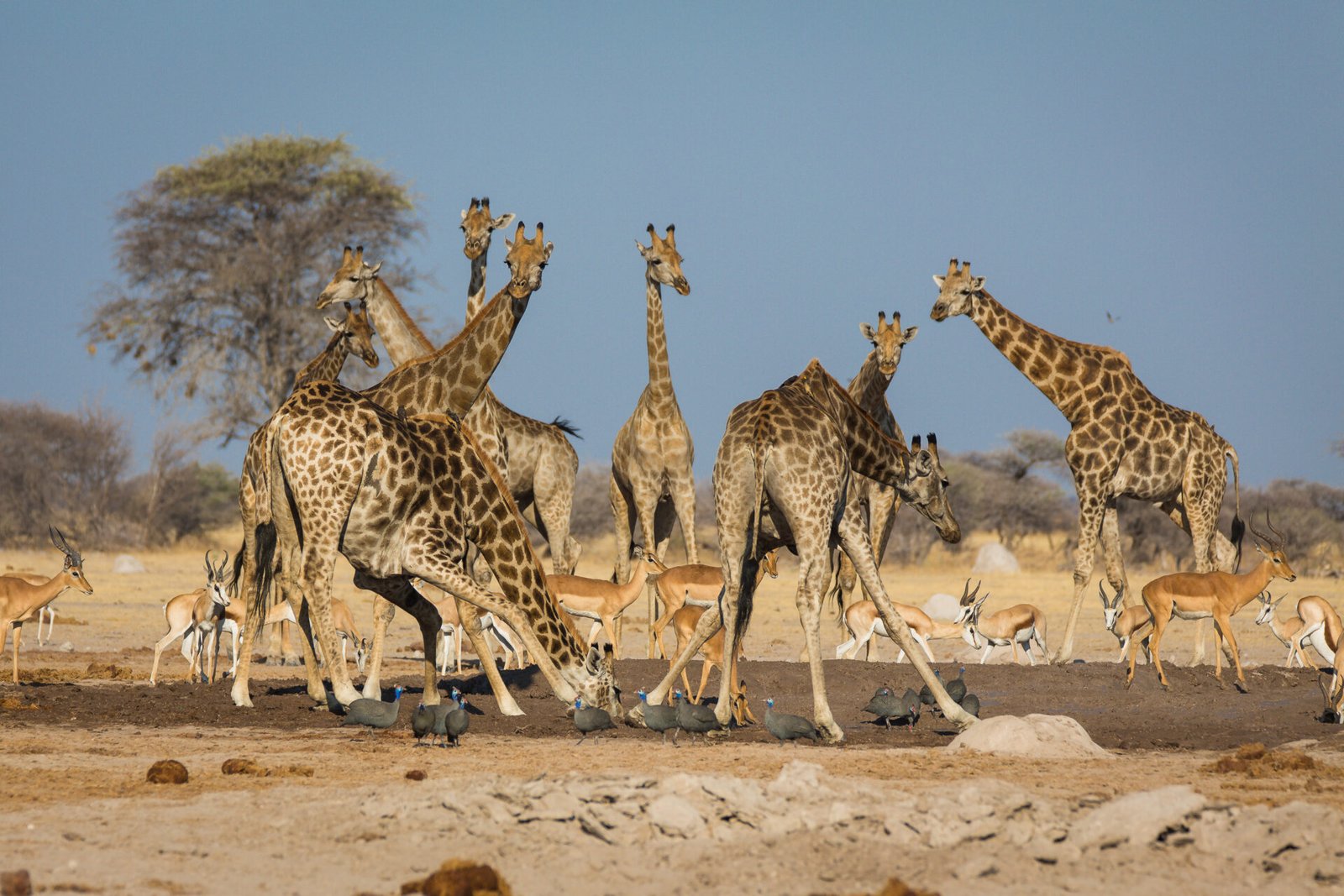
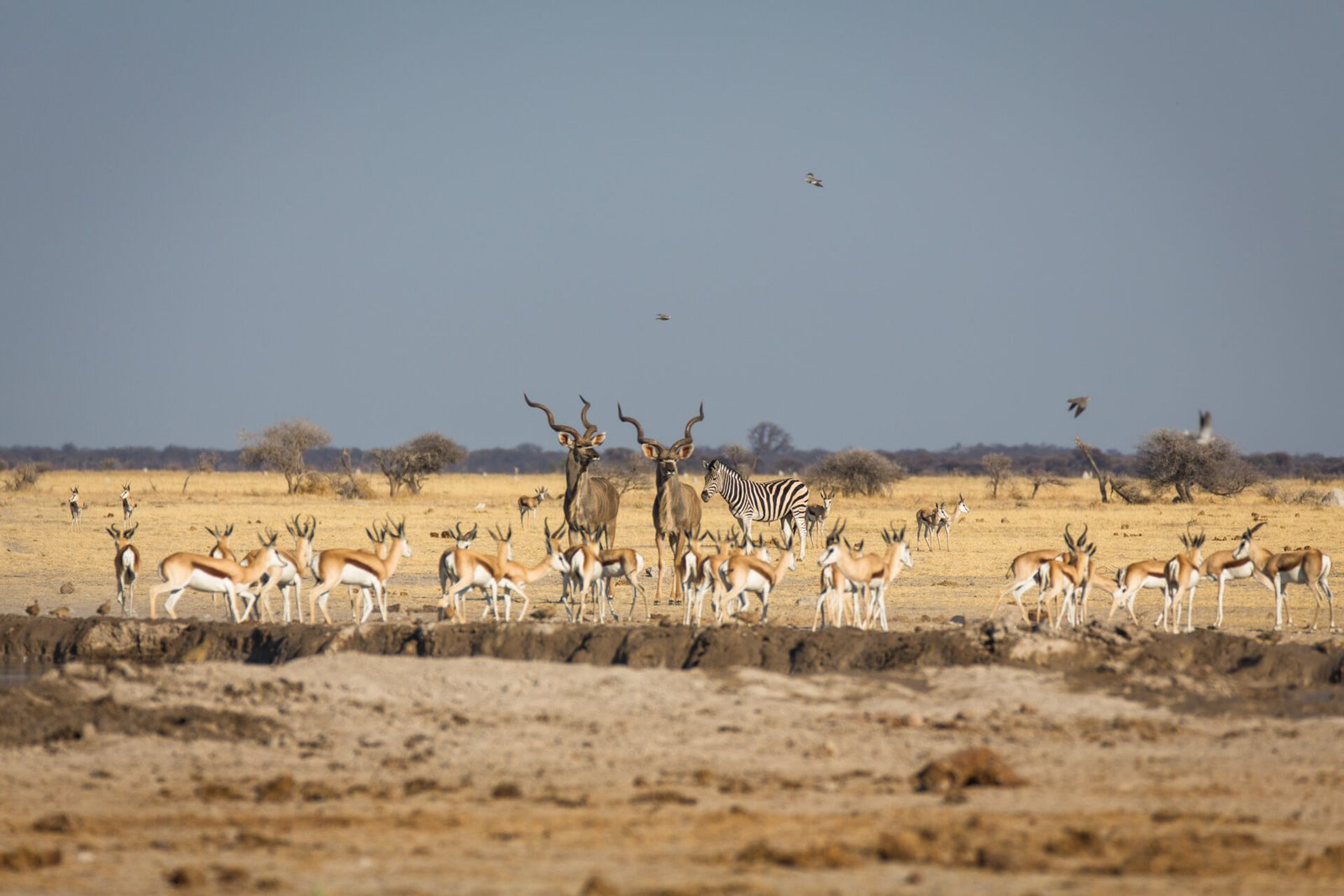
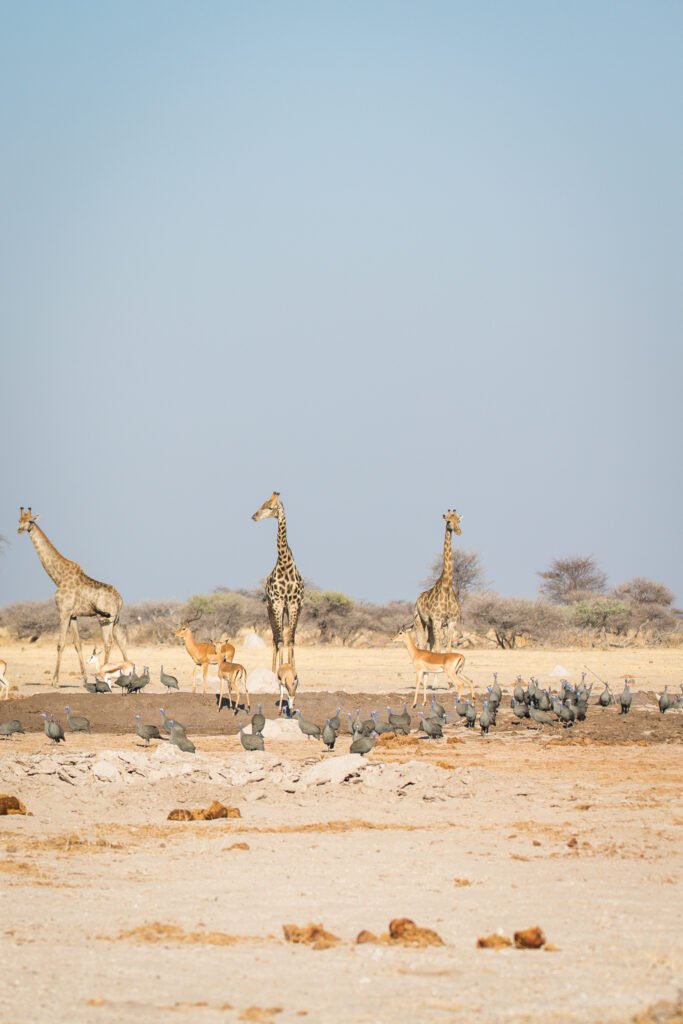
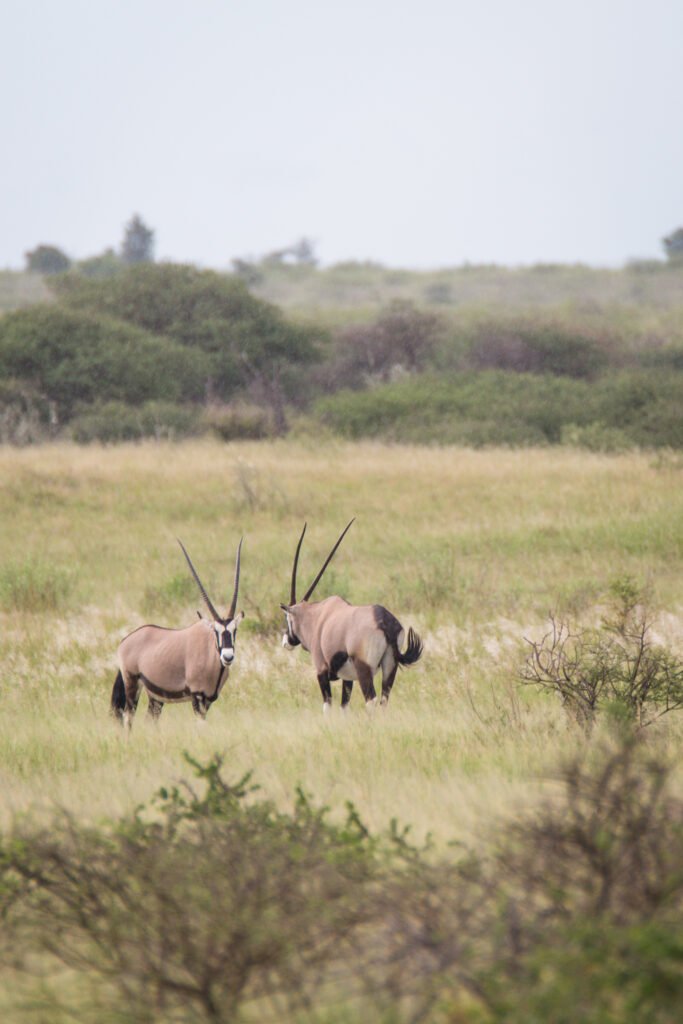
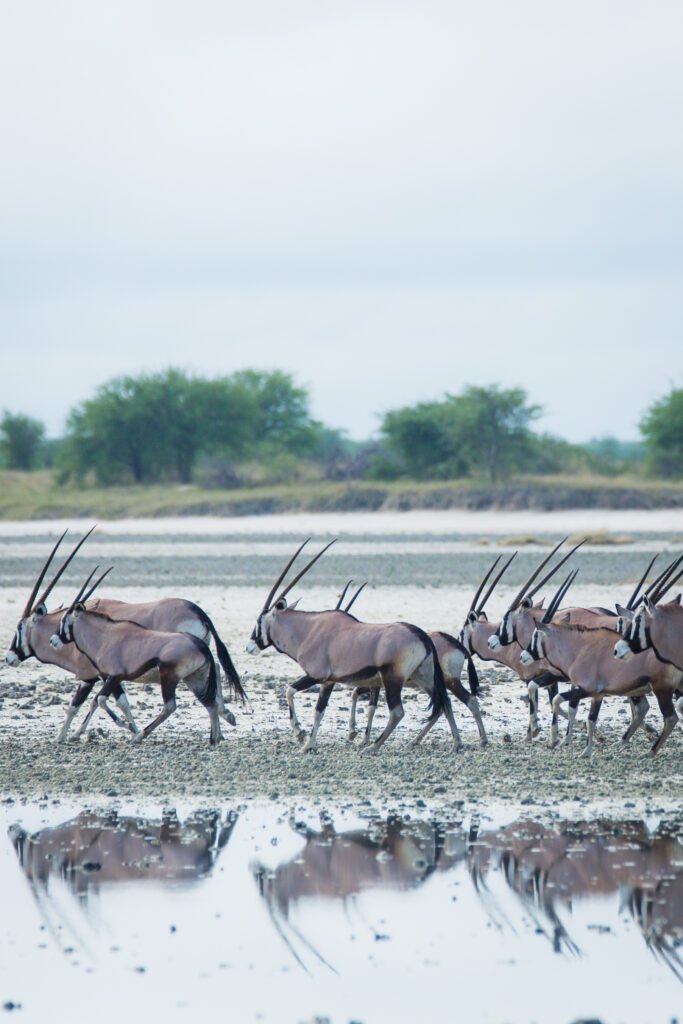
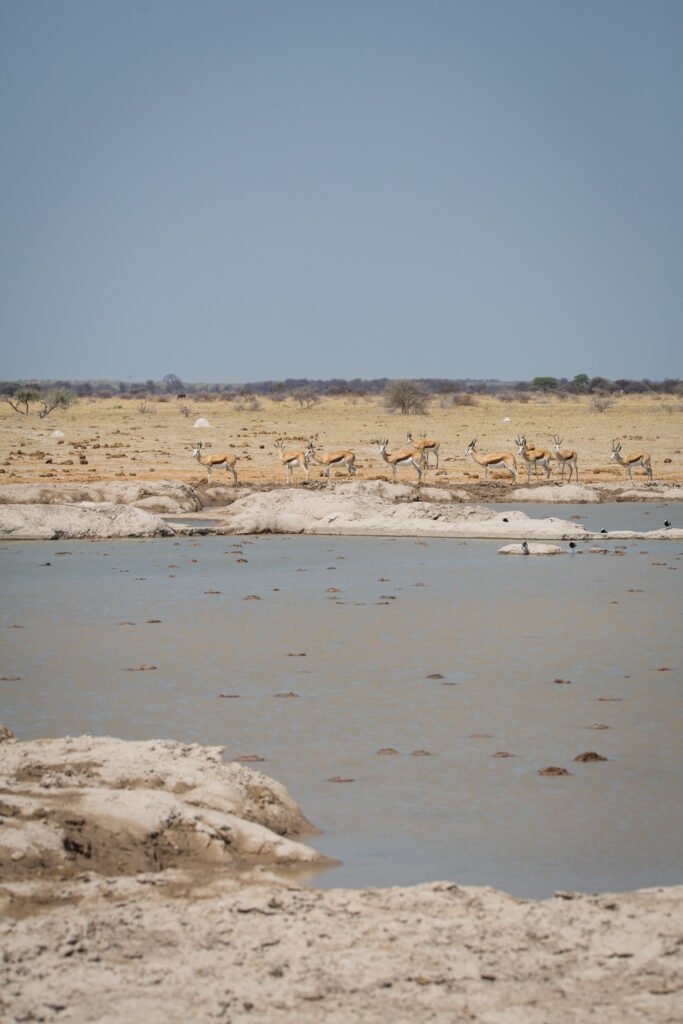
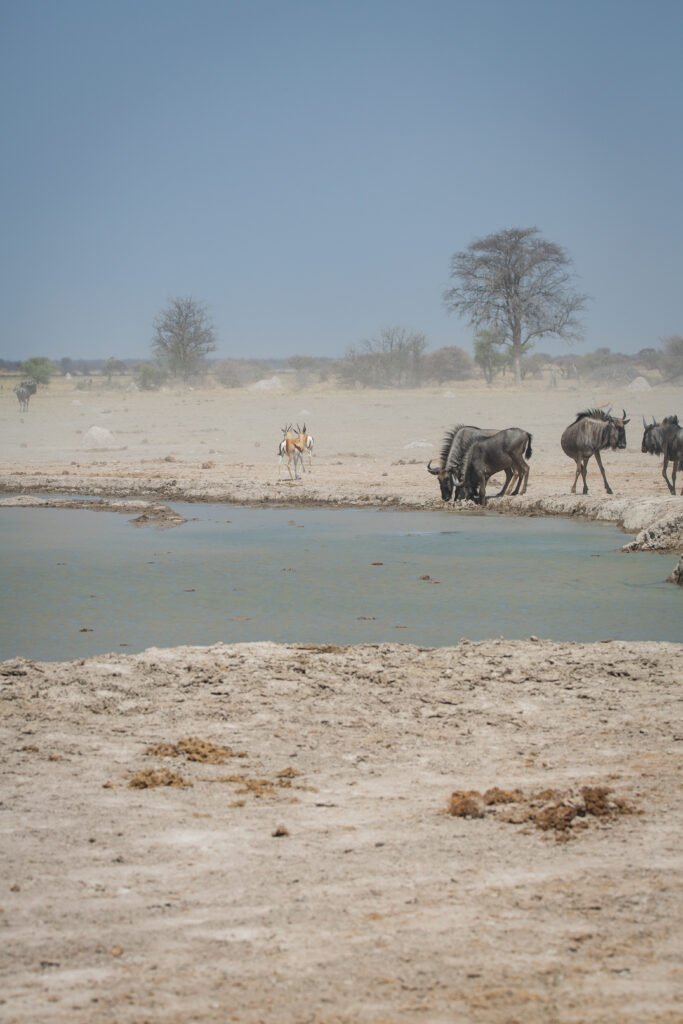
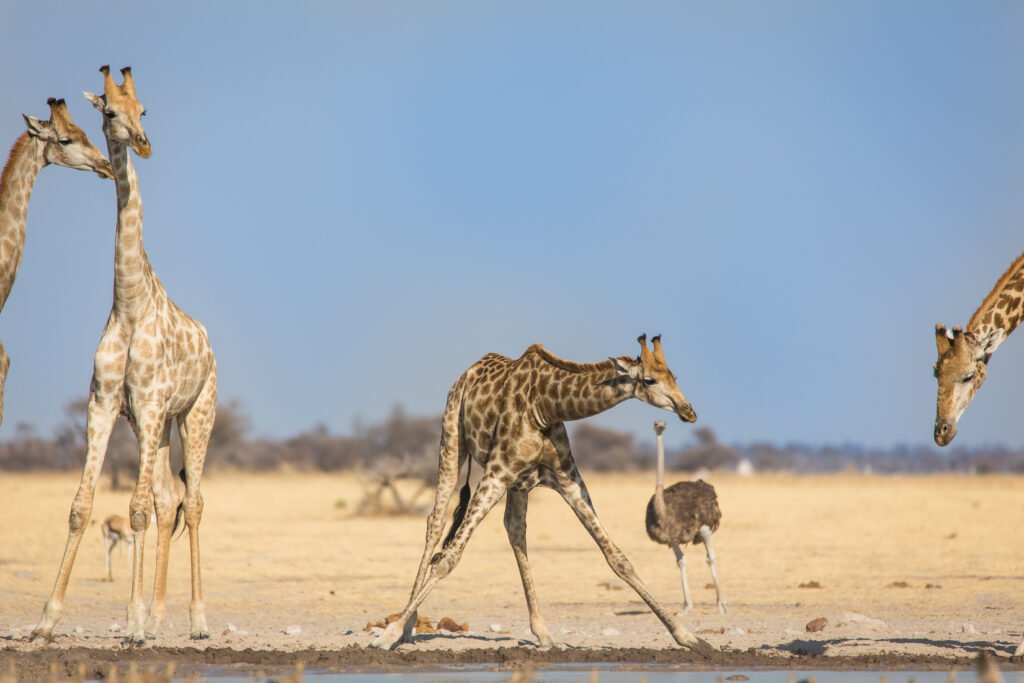
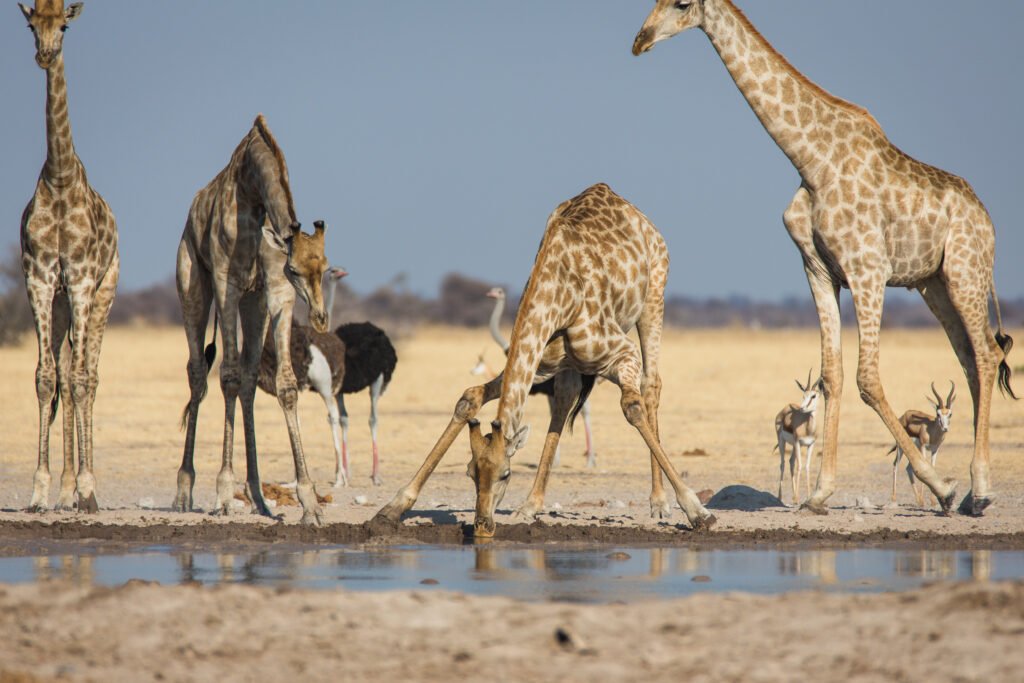
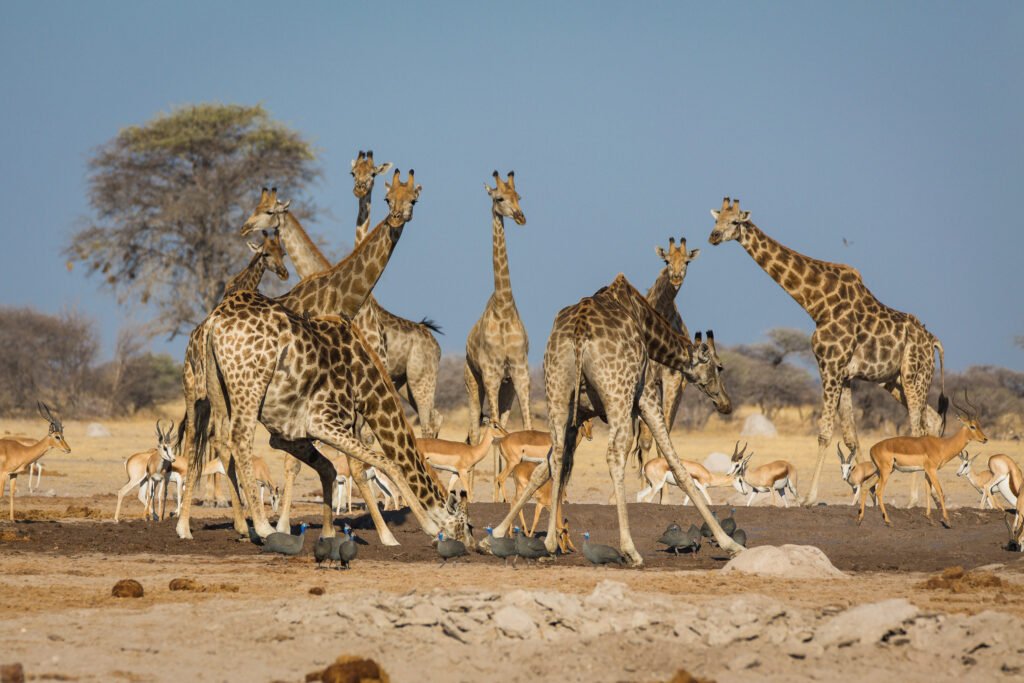
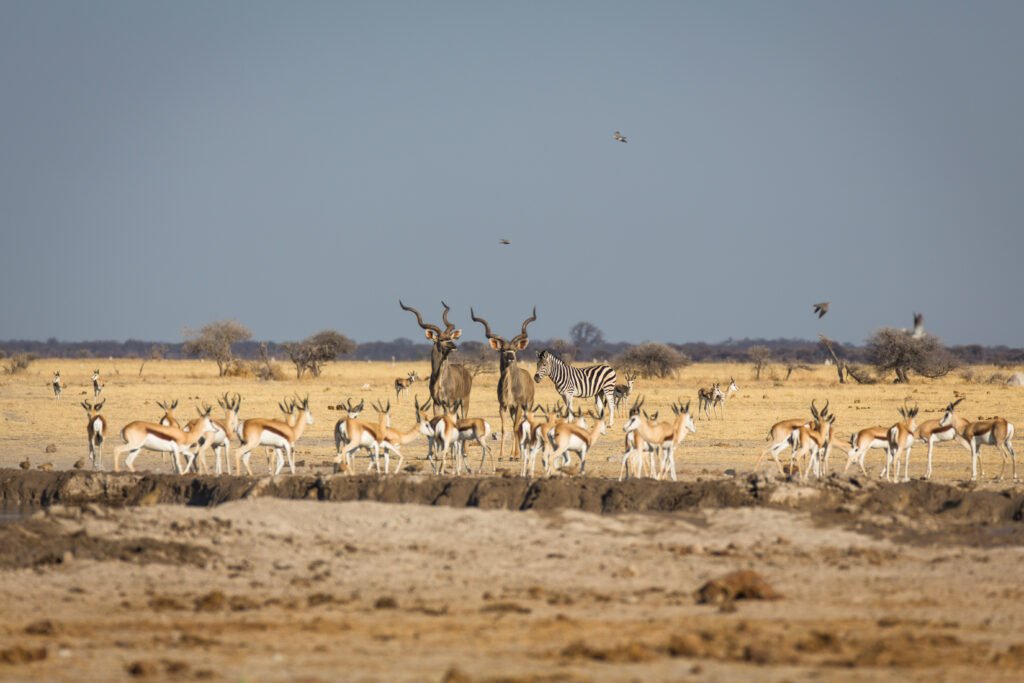
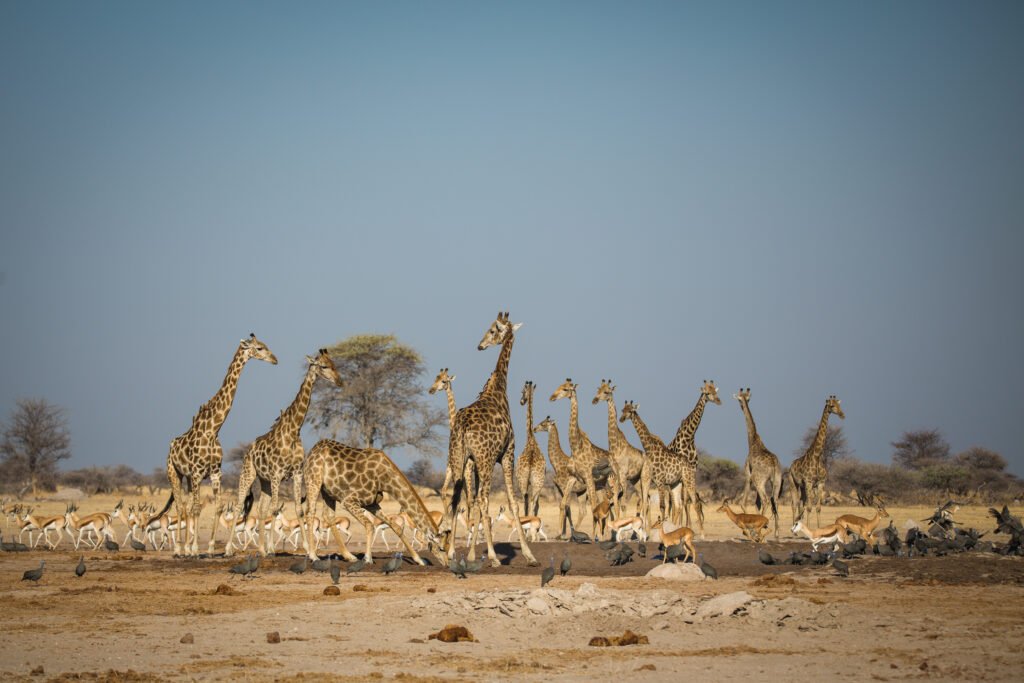
Nxai Pan is renowned for its seasonal zebra migration, one of Africa’s lesser-known but impressive wildlife movements. During the rainy season, large herds of zebra and wildebeest gather on the pans, attracting predators such as lion, cheetah, and hyena. Giraffe, springbok, and gemsbok are common sightings year-round, while the open plains provide excellent visibility for photography and predator tracking.
Communities surrounding Nxai Pan include the Bakalanga, Bayei, and San (Basarwa) peoples, each with deep historical ties to the Makgadikgadi region. The San communities in particular have long adapted to the semi-arid environment through traditional hunting and tracking knowledge. Today, local heritage, storytelling, and cultural traditions remain an important part of the region’s identity, with tourism contributing to livelihoods and conservation awareness.
Nxai Pan transforms dramatically with the seasons. During the rainy months from December to April, the pans attract migratory zebra and wildebeest, creating prime predator activity and lush green landscapes. In the dry season, the scenery becomes stark and dramatic, with dry salt pans stretching across the horizon. Each season offers a distinct atmosphere, from vibrant wildlife gatherings to serene, minimalist desert beauty.



Why Choose Bush Ways?
Find out more- Based in maun, since 1996
- Expert local guides
- Wildlife focused
- the mobile safari tradition
- Ultimate safari vehicles
- our foundation