When and Where to see the Makgadikgadi Zebra Migration
When and Where to See the Makgadikgadi Zebra Migration
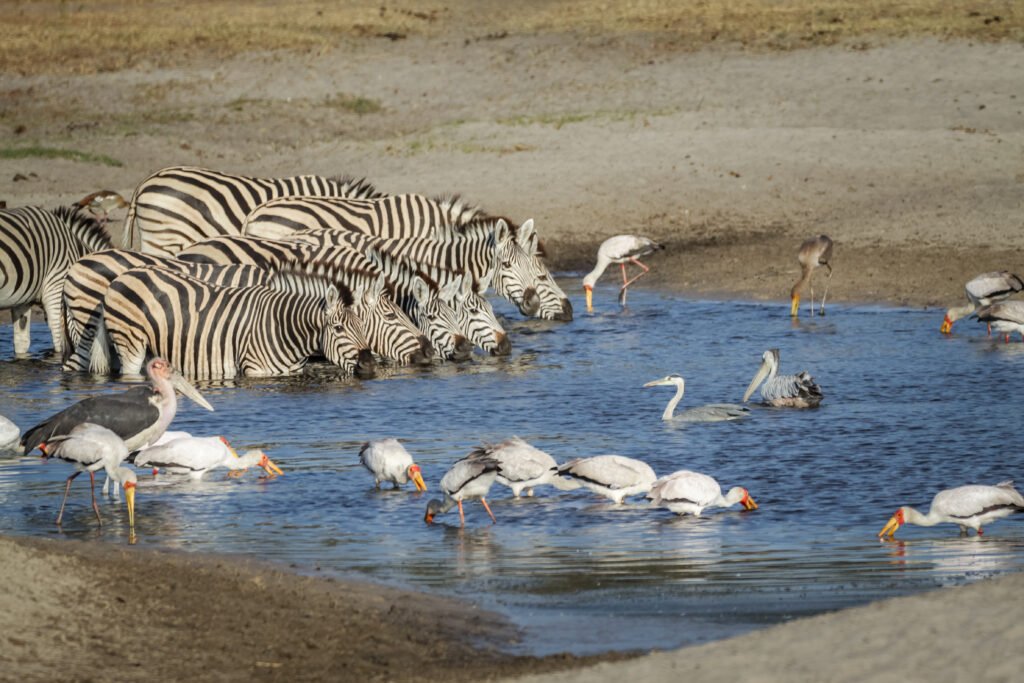
Each year, thousands of zebras move across northern Botswana in what is now recognised as Africa’s longest terrestrial wildlife migration. This is known as the Makgadikgadi Zebra Migration.
For travellers hoping to experience this migration, timing is everything. Botswana isn’t a destination where the landscape remains the same throughout the year. The seasons completely reshape the environment, from dry, shimmering salt pans to lush grasslands after the rains, wildlife behaviour changes along with it.
Understanding when and where this movement takes place is key to experiencing the Makgadikgadi zebra migration in a meaningful way. The time of year you visit influences everything from where the herds gather to how each day unfolds in the bush, ultimately defining the kind of safari experience you’ll have.
This guide provides you with all the relevant information regarding the Makgadikgadi zebra migration so you can ensure you visit at the best time.
What Is the Makgadikgadi Zebra Migration?
The Makgadikgadi Zebra Migration refers to the seasonal migration of plains zebra between the Okavango-Chobe region in northern Botswana and the grasslands surrounding the Makgadikgadi Pans.
Known as the Makgadikgadi Zebra Migration, this seasonal journey sees large herds travel between the wetlands of northern Botswana and the wide, open grasslands surrounding the Makgadikgadi Pans.
Researchers have found zebra travel up to 250km one way, making it the longest recorded land migration in Africa. For decades, veterinary fences disrupted these routes, but their removal has allowed natural corridors to reopen for wildlife contributing to Botswana’s conservation-led approach.
Contrary to predator-driven migrations, this movement is shaped primarily by rainfall and grazing availability. The first rainfall in Kalahari regenerates dormant grasses rapidly, drawing zebras southward onto the pans and surrounding plains.
When does the Botswana Zebra Migration Happen?
The Makgadikgadi zebra movement is season-and rainfall-dependent, but primarily follows Botswana’s wet and dry seasons.
November-December: Movement Begins
With the first summer storms, fresh grass emerges across the Kalahari and Makgadikgadi grasslands, and zebra begin leaving the northern river systems and move south.
January-March: Peak Season on the Makgadikgadi Grasslands
This is recommended to be the best time to witness large herds of zebra in and around Makgadikgadi Pans.
April-May: The Return North
Surface water begins to dry and grazing declines, zebra gradually move back toward permanent water sources near the Okavango Delta and Chobe systems.
Where to See the Makgadikgadi Zebra Migration?
Below we have included some of the key areas of Botswana you can visit to experience this iconic zebra migration.
Makgadikgadi Pans
The Makgadikgadi Pans are situated in northeastern Botswana, forming one of the largest salt pan systems in the world.
Key viewing regions include:
- Nxai Pan National Park
- The grasslands south of Nata
- Boteti River viewing points
This migration differs from East Africa’s river crossings as vehicle density is typically far lower and tourist levels are controlled in Botswana’s regions, offering a quieter, more immersive experience for travellers.
Why the Zebra Migration Matters Ecologically
Seasonal movement is critical to Botswana’s ecosystem. Zebra grazing stimulates grass regrowth and nutrient cycling across the pans and Kalahari margins. Their migration also supports predator populations and maintains historic wildlife corridors.
Botswana’s conservation-led approach, including controlled tourist density and protected migration routes, has been central to preserving this phenomenon. The reopening of corridors following fence removal has played a key role in restoring natural movement patterns.
For travellers, witnessing this migration it is not only a visual experience but also demonstrates long-term conservation success, making Botswana one of the most authentic safari locations for you to experience.
Planning Your Safari Around the Zebra Migration
To increase your chances of seeing large herds:
- Travel between January and March for peak grassland concentration
- Allow flexibility in routing, as herd movements depends on rainfall
- Choose itineraries that include Nxai Pan or the Makgadikgadi region during the wet season
Access during the rainy season may involve variable road conditions with some areas being best reached with experienced guides who understand the shifting landscapes. As the migration doesn’t follow rigid calendar dates, local expertise play an important role in positioning safaris effectively.
Is the Makgadikgadi Zebra Migration Worth Seeing?
The Makgadikgadi Zebra Migration offers rare, intimate sights and is perfect for travellers seeking vast landscapes, low vehicle density and a sense of seasonal rhythm. In Botswana, the experience is defined by space, silence, and scale. It shows migration as less of a spectacle and more a need for survival, with these subtle shifts shaping Botswana’s wilderness year after year.
Ready to book a Botswana safari? Contact us through our booking enquiry form and start your adventure today.